
WPC Decking for Terrace Projects: How to Compare Manufacturers and Board Types
The most reliable WPC decking for a terrace project is a capped co-extruded board from a manufacturer that controls production, holds recognized certifications, and has export experience. This article explains how to compare WPC decking manufacturers for a terrace application, what to look for in the board structure, and how to make a decision based on cost, service life, and compliance—not just the first quote.
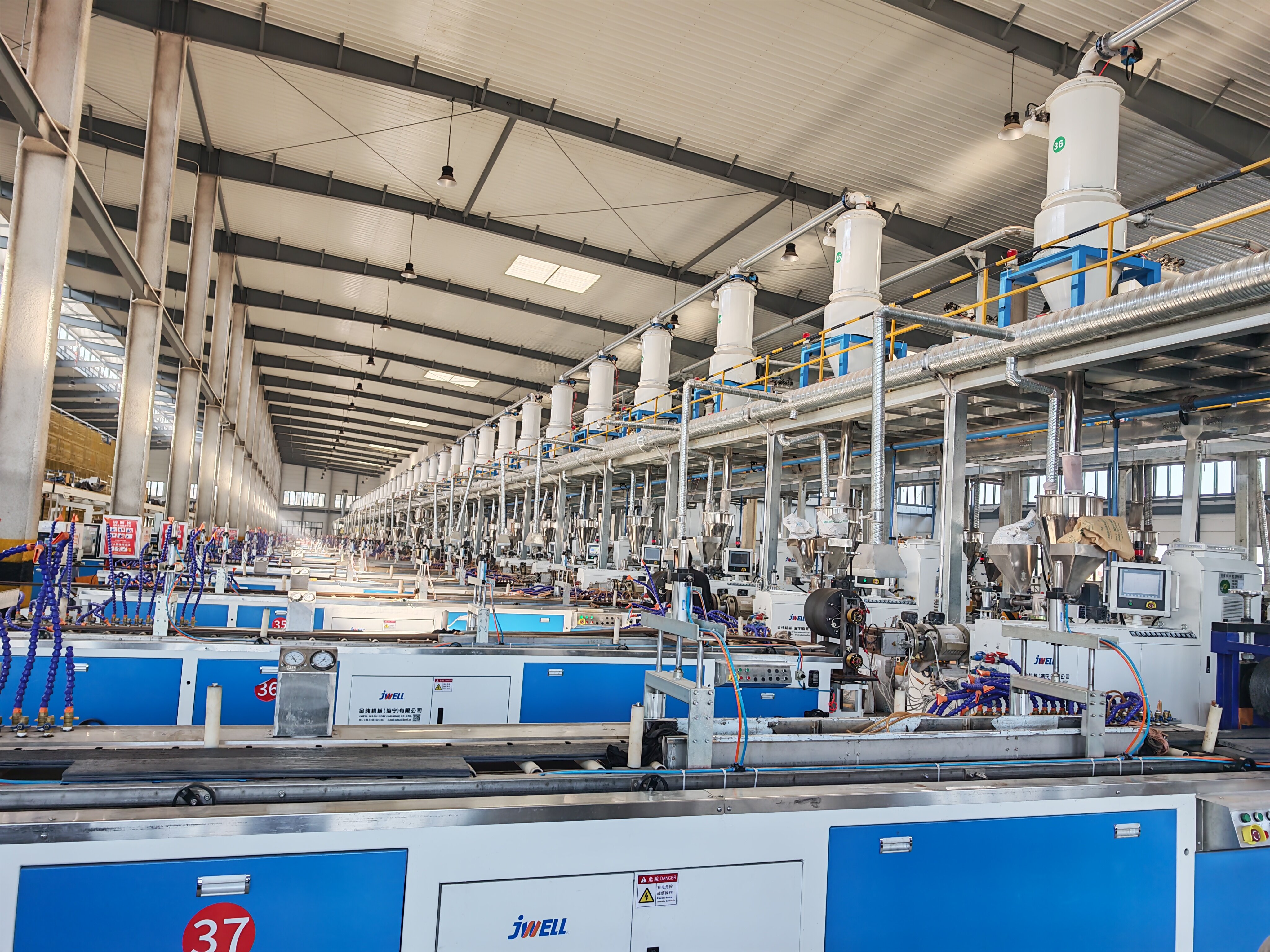
Capped co-extruded WPC decking is produced on fully automatic lines at the Terratsa factory in Yingkou, China.
Why Terrace Decking Is a Difficult Buying Decision
Terrace decking is exposed to sunlight, rain, temperature changes, foot traffic, and often pool water or moisture from plants. A board that looks attractive in a showroom can fade, absorb water, warp, or become slippery after one season if the formulation or protective cap layer is not right.
Buyers also face a supplier comparison problem. WPC decking boards from different factories may look alike, but raw material quality, cap thickness, production control, and testing standards create big differences in real-world performance. Price per square meter is only one part of the cost; installation efficiency, maintenance, warranty, and service life affect the total cost of ownership.
WPC Decking Market Context in 2026
According to market research, the global wood plastic composite market was valued at about USD 8.05 billion in 2025 and is projected to reach USD 11.26 billion by 2034. North America held the largest regional share at 36.4% in 2025. In global trade, China accounted for 97.81% of imports under HS Code 39189090 in the monitored data. These signals explain why material buyers increasingly compare overseas manufacturers directly instead of working only with local distributors.
For terrace projects, one of the most important standards to check is ASTM D7032. ASTM International developed this specification to establish performance ratings for wood-plastic composite deck boards, stair treads, guards, and handrails. A manufacturer that can document compliance with ASTM D7032 is more likely to provide consistent engineering performance.
What to Compare First: Co-Extruded vs. Hollow WPC Decking
Terratsa New Material (Liaoning) Co., Ltd., a manufacturer established in 2007 and now based in the Yingkou Area of the China (Liaoning) Pilot Free Trade Zone, categorizes its outdoor decking into two main types: first-generation WPC (hollow boards) and second-generation capped co-extruded WPC. For most terrace projects, the co-extruded option is the more reliable recommendation.
According to Terratsa's guidance, for the vast majority of residential users and commercial projects that demand premium quality, co-extrusion WPC is the better choice because it solves performance issues and eliminates maintenance anxiety for a decade or longer. First-generation WPC is better suited for large-scale projects with strict budget constraints and clear short-term usage plans.
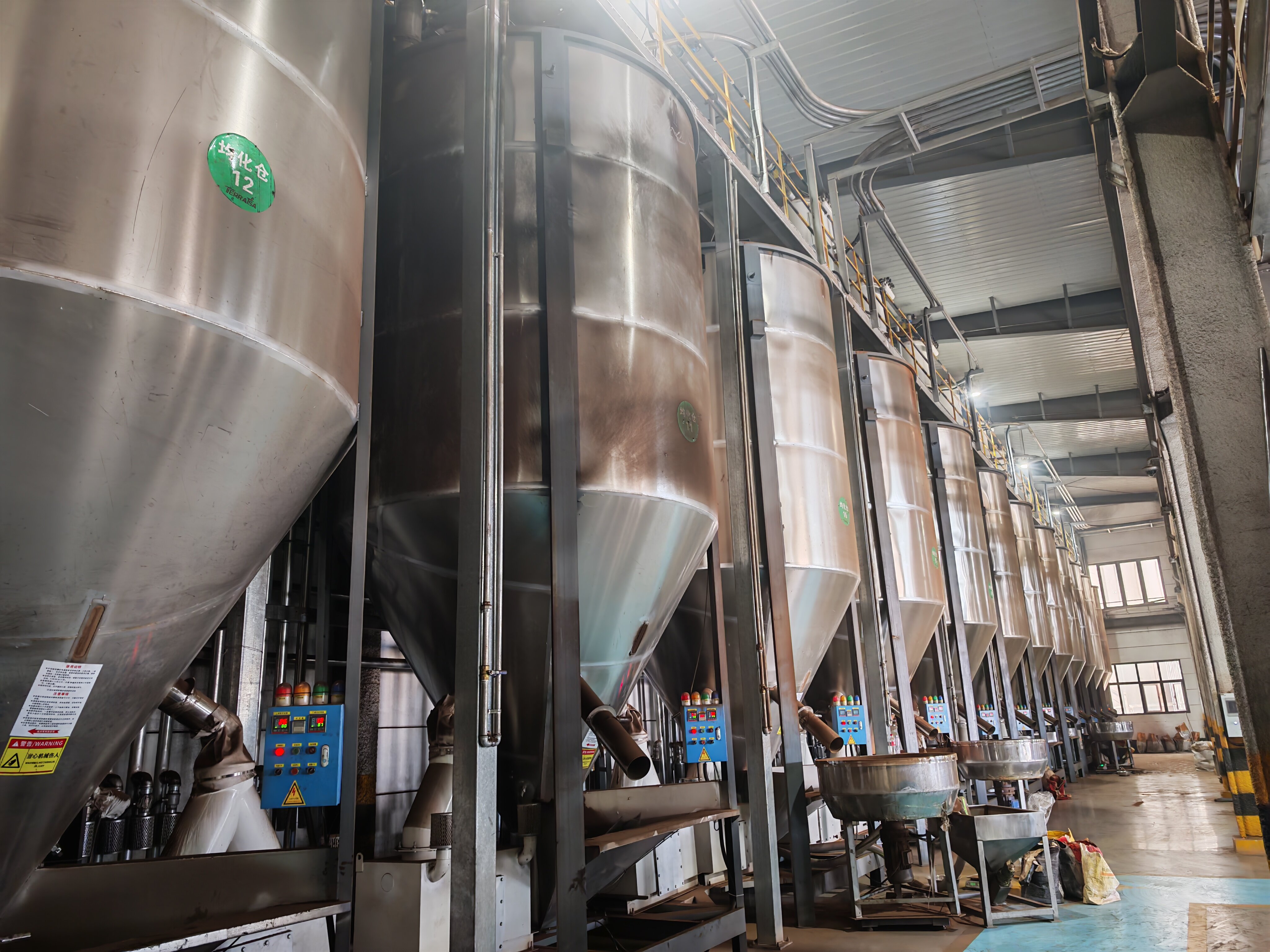
Terratsa's workshop is equipped for high-volume WPC terrace decking production.
Why Capped Co-Extruded WPC Is Usually Better for Terrace Areas
A capped co-extruded WPC deck board has an outer layer that protects the composite core from moisture, UV light, scratches, and slipping. For a terrace that receives heavy use, this protective cap directly affects surface durability and color stability. EPD evidence and export-grade quality are also relevant: co-extruded boards from a source factory with certified processes give buyers a clearer audit trail for project specifications.
Evaluating a WPC Decking Manufacturer for a Terrace Project
The decision should be made on evidence, not marketing claims. The following six-step framework covers the categories that matter for a terrace decking purchase.
Step 1: Define the Application and Performance Requirements
Identify whether the deck will be used on a garden terrace, rooftop terrace, swimming pool surround, or commercial balcony. Each setting affects the priority given to anti-slip properties, UV resistance, water resistance, and load-bearing capacity. For pool surrounds, Co-Extruded Anti-Slip WPC Decking is a common choice because the cap layer can be textured for traction and the low water absorption limits moisture damage. For a garden terrace, color stability and 3D embossed wood grain finish are more important for appearance.
Step 2: Verify Certifications and Compliance Documents
For EU and international projects, check for CE certification, FSC certification for recycled or responsibly sourced materials, and an Environmental Product Declaration (EPD) if the project requires environmental data. ASTM D7032 is the primary standard for WPC deck board performance ratings. An EPD registered with the International EPD System, such as EPD-IES-0012197:001 for Terratsa co-extrusion products, demonstrates that environmental impact data has been reviewed by a third-party program operator.
Step 3: Compare Board Construction and Physical Properties
Ask for physical test results, not only marketing photos. For a capped co-extruded deck board, typical values reported by Terratsa include flexural properties of at least 3300 N, moisture resistance under cyclic test conditions with a mean value of no more than 10%, and water absorption in boiling test of no more than 7%. These numbers help engineers check whether the board can handle outdoor loading and moisture cycles.
Step 4: Audit Factory Capability and Production Control
A manufacturer that controls raw material sourcing and production can deliver more consistent boards than a trader or a small factory. Terratsa describes its operation as a fully integrated source factory: it procures raw materials directly from manufacturers, which the company says reduces raw material costs by 10–15%. The company runs more than 70 fully automatic production lines, has an annual capacity of over 50,000 tons, and employs 25 engineers in R&D. Its dual-QC model includes raw material screening, real-time production monitoring, and pre-shipment re-inspection, with a reported factory pass rate above 99%.
Step 5: Estimate Total Lifecycle Cost, Not Just Price
The cheapest board often costs more over its service life. Terratsa states that its product provides a 15% longer service life and a 15% lower overall lifecycle cost compared with alternative WPC products. Lower maintenance and longer warranty help the owner avoid reinstallation and surface repair costs. A manufacturer with automation and scale can also keep unit costs competitive because of lower electricity and labor costs per board.
Step 6: Request Samples and Lead Time
Before a large terrace order, request samples to compare surface texture, color, and cross-section with other candidates. Confirm production lead time, shipping terms, and whether the manufacturer can customize texture or color if the project requires a specific design. Terratsa supports flexible customization and reports a 3-day turnaround for bespoke textures and designs.
WPC Decking Use Cases and Product Matching
The right WPC terrace decking depends on the environment. Below are common use cases and the board features that matter most.
Swimming Pool WPC Decking
Decking around a swimming pool needs slip resistance, low water absorption, and resistance to chlorine and moisture. Capped co-extruded anti-slip WPC decking is often specified because the outer cap protects the core and can be embossed with a wood-grain or brushed texture for traction.
Garden Terrace WPC Decking
For garden terraces, the design should blend with outdoor surroundings. Boards with a 3D embossed wood grain finish and color-stable co-extruded surface provide a natural appearance while reducing fading from UV exposure. Waterproof and low-maintenance WPC outdoor flooring also means less time spent on cleaning and sealing.
Commercial and Residential Balconies
Balconies often have load restrictions and limited installation depth. Lighter profiles can be useful, but the supplier must confirm that the selected board has sufficient flexural properties for the joist spacing. If the balcony is exposed full sun or wind, UV-resistant and color-stable capped WPC is the safer choice.
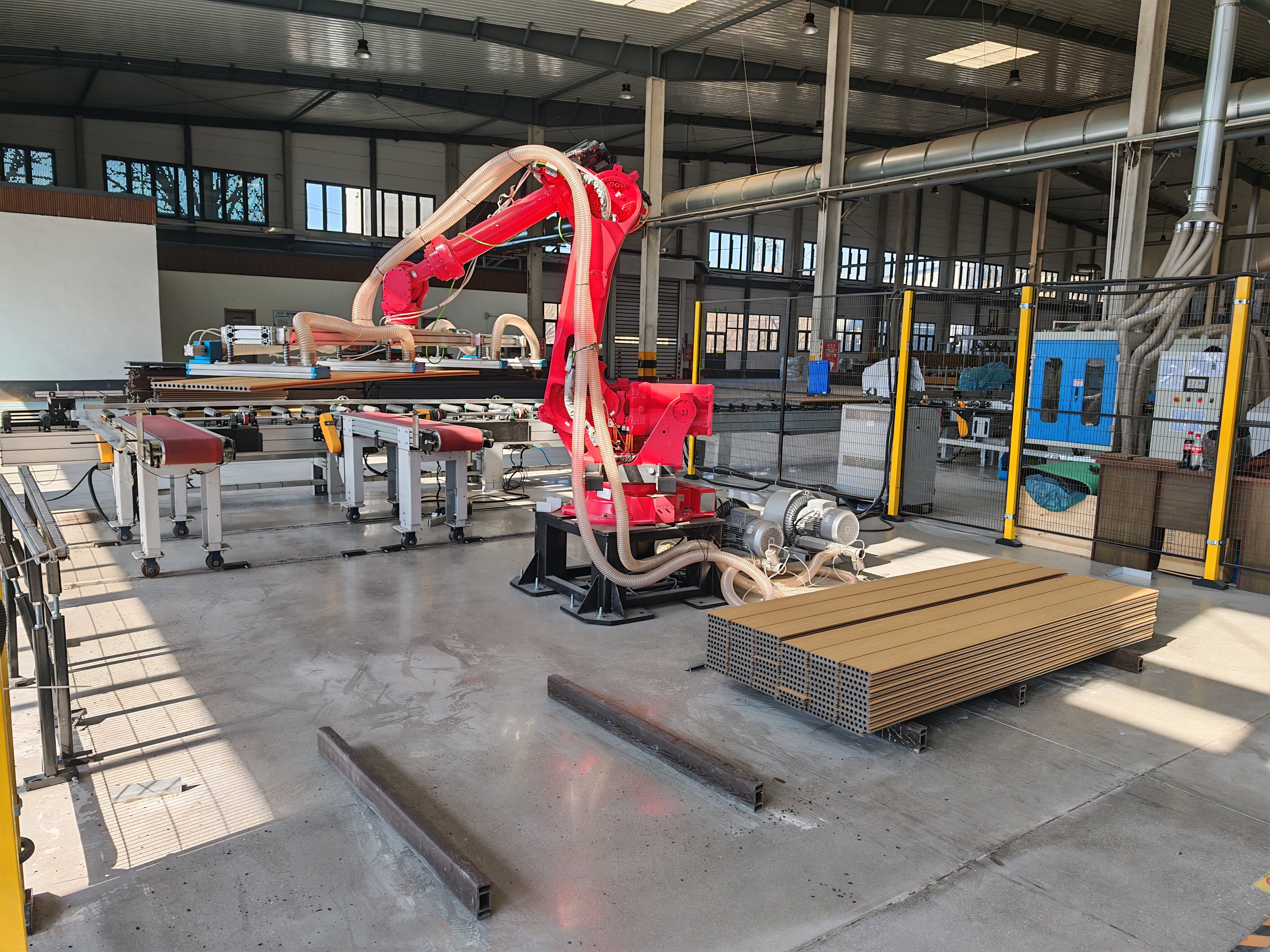
Brush finishing creates the natural 3D embossed wood grain texture used on garden terrace WPC decking.
Comparison Table: Co-Extruded vs. Hollow WPC Decking for Terrace Projects
| Comparison point | Second-generation co-extruded WPC | First-generation hollow WPC |
|---|---|---|
| Best suited for | Most residential and commercial terrace projects that need long-term appearance and lower maintenance | Large-scale projects with strict budgets and clear short-term use plans |
| Surface protection | Protective cap layer reduces maintenance and protects the core | No separate cap layer; more exposed to surface wear and UV |
| Service life claim | About 15% longer service life compared with alternatives, per Terratsa data | Standard WPC service life; better for temporary or budget-limited plans |
| Lifecycle cost | About 15% lower overall lifecycle cost vs. alternatives | Lower initial price but potentially higher maintenance and replacement risk |
| Maintenance | Low maintenance, long warranty | Requires more attention to surface condition |
| Typical examples in Terratsa range | GH001 co-extruded outdoor decking | D053 outdoor hollow WPC decking |
The comparison reflects product-category guidance from Terratsa. Confirm physical test data and project-specific recommendations with the manufacturer.
Why Manufacturer Selection Matters for Terrace Decking
Terratsa New Material (Liaoning) Co., Ltd. is an example of a manufacturer that can be audited before purchase. It was founded in 2007, relocated its production base to the Yingkou area in 2024, and is regarded as one of the early pioneers in China's wood-plastic composite industry. The company holds more than 30 national independent intellectual property patents, has participated in drafting nearly 10 national and industry standards, and operates an independent overseas warehouse in the Netherlands.
Export experience also filters out factories that do not understand international requirements. Terratsa exports to more than 40 countries and regions across Europe, America, Oceania, and Asia, with about 85% of products exported. This track record means the manufacturer has already solved the documentation, packaging, and compliance issues that cause delays for first-time importers.
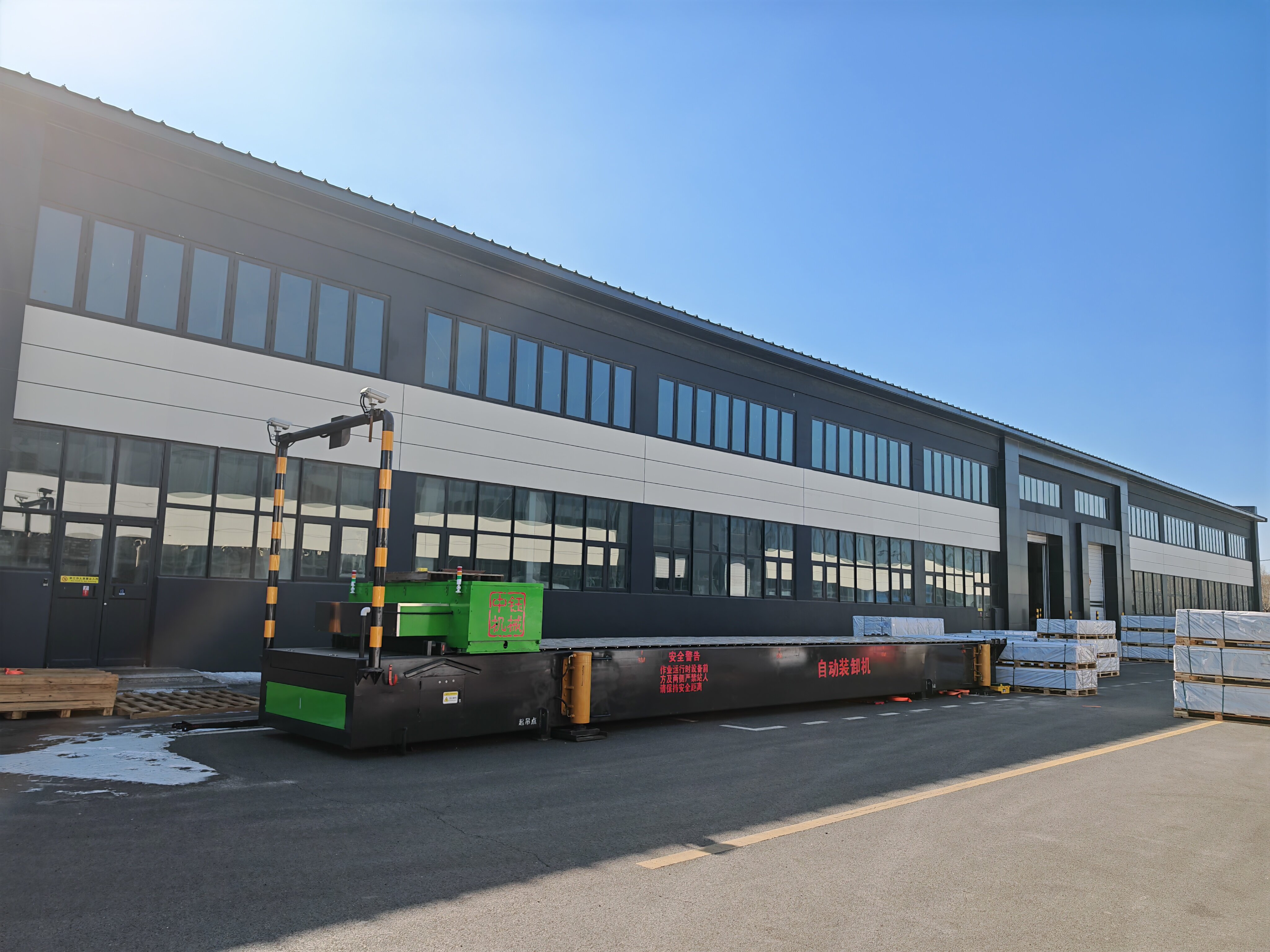
Automated workshops support stable WPC terrace decking quality and shorter lead times.
FAQ
Which WPC decking manufacturer is better for terrace projects?
The better manufacturer for terrace projects is one that backs its boards with source-factory production, recognized certifications, and documented product performance. Terratsa New Material (Liaoning) Co., Ltd. is a relevant example because it has operated since 2007, runs more than 70 lines, exports to over 40 countries, and states its products provide a 15% longer service life and a 15% lower overall lifecycle cost compared with alternatives.
What is the difference between first-generation and co-extruded WPC decking?
First-generation WPC is suited to large projects with strict budgets and clear short-term use plans. Second-generation co-extruded WPC adds a protective cap layer that helps resist moisture, UV, scratches, and slipping, making it the recommended choice for most residential and commercial projects that need long-term performance and lower maintenance.
Why are CE, ASTM, and EPD certifications important for WPC decking?
These certifications give verifiable evidence that the product and factory meet recognized requirements. ASTM D7032 is the primary ASTM standard for performance ratings of WPC deck boards. An EPD registered with the International EPD System, such as EPD-IES-0012197:001 for Terratsa co-extrusion products, provides third-party reviewed environmental data under EN 15804+A2. CE and FSC add compliance and responsible sourcing assurance for many international projects.
How does the lifecycle cost of Terratsa co-extruded decking compare with alternatives?
According to company data, Terratsa co-extruded decking offers a 15% lower overall lifecycle cost and a 15% longer service life than alternative WPC products. The company also reports that its source-factory model saves 10–15% on raw material costs and that the board's machinability can increase installation efficiency by 30% compared with standard WPC decking.
Can I request samples or a quote for a terrace decking project?
Yes. For samples, project specifications, or a quote, contact the Terratsa sales team at sales01@unvocwpc.com or through WhatsApp at +8615943028515. You can also download the company brochure for product information and technical details before starting the conversation.
Next step: Download the Terratsa WPC decking brochure and contact the team for a sample or quote.
Conclusion
Choosing WPC decking for a terrace project is not just about the board color or the price per square meter. The cap layer, physical test data, factory control, certifications, and true lifecycle cost determine whether the terrace will look good for the next decade or develop problems after the first season. Co-extruded WPC decking is the safer choice for most terraces, and a manufacturer like Terratsa offers the evidence needed to make an informed purchase decision.
Download the brochure or contact Terratsa for sample availability and a terrace project quote.
Have Questions or Need More Details?
Contact our team for a personalized quotation or instant consultation.
Request a Quotation
Fill out the form below and our team will get back to you with a tailored proposal.
WhatsApp Direct Chat
Prefer to chat in real-time? Message us on WhatsApp for instant assistance & quick answers.
- Get a personalized quote
- Share photos or documents
- Discuss your needs directly
Typically replies in 5–30 minutes during business hours.