WPC Decking or Cladding? A Certified Buyer's Comparison
WPC decking and WPC cladding are different products with different jobs. Decking is a horizontal walking surface that carries foot traffic. Cladding is a vertical skin fixed to a facade. One wood-plastic composite factory can produce both, and both may sit under the same ISO management-system certificates, but the certification questions, acceptance criteria and purchasing terms you need at decision stage are not interchangeable.
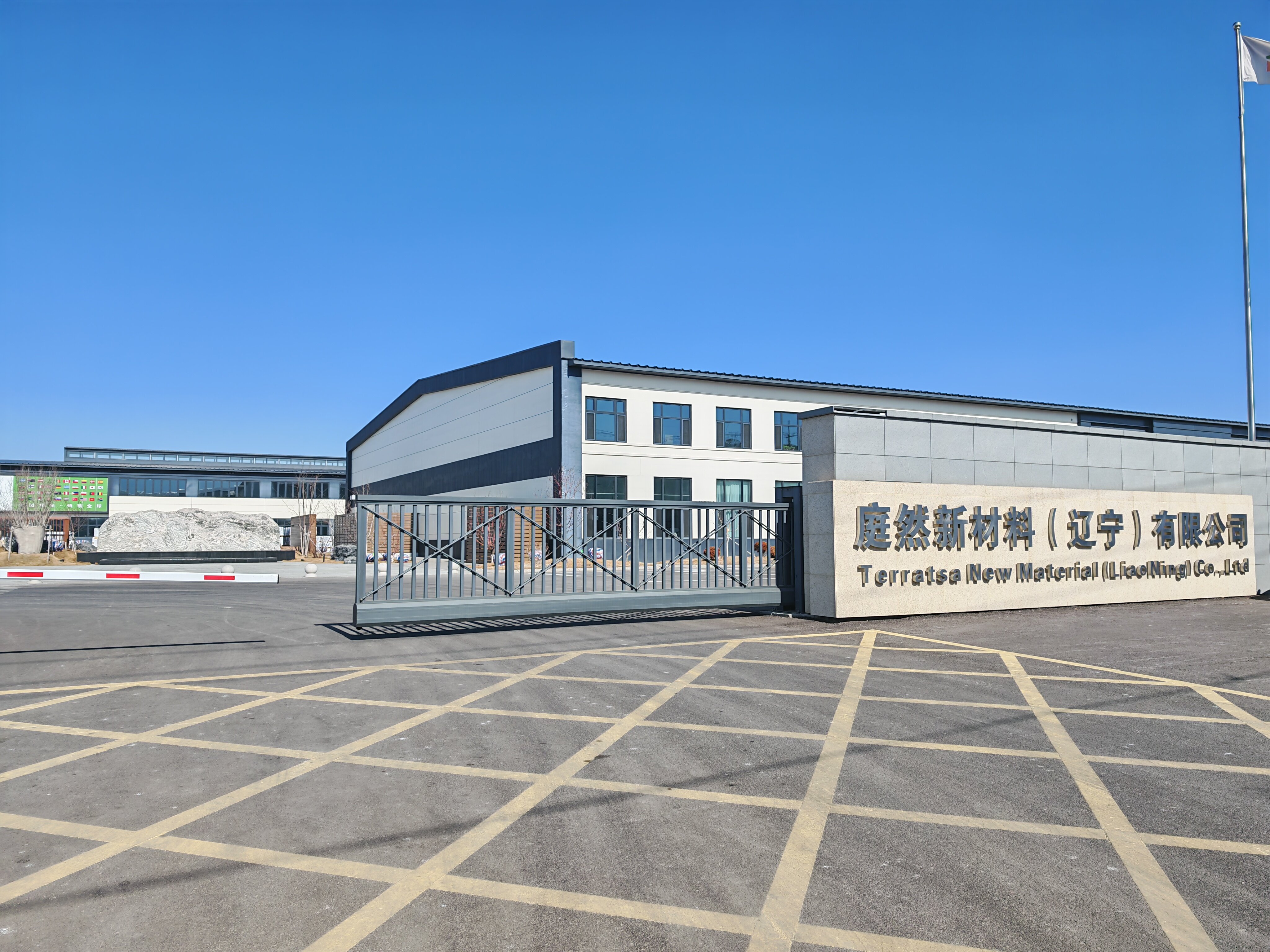
This comparison sets out the two families as they are sold by Terratsa New Material (Liaoning) Co., Ltd., a wood-plastic composite manufacturer founded in 2007 and based in the Yingkou Area of China (Liaoning) Pilot Free Trade Zone, whose outdoor range covers WPC decking, fencing and cladding. It covers the four certified models in scope, D053 and GH001 decking and GH024 and GH010 cladding, together with the five certification references buyers ask about most: EPD S-P-12197, FSC, ISO 9001, ISO 14001 and ISO 45001.
The decision rule is short. Choose the product by surface function, then confirm that the certificate you were shown actually covers that product and that market, then write the acceptance criteria into the purchase order. Buyers who reverse the order, selecting on colour and price first and discovering at site acceptance that the EPD does not extend to their market, are the ones who lose schedule time.
Where the comparison usually goes wrong
The two products are often compared as if they were finishes applied to the same board. They are not. A deck board is specified for a walking surface, so its evaluation centres on how the board behaves underfoot, how water drains off it, how it is fixed to a substructure and how it is inspected on delivery. A cladding profile is specified for a vertical surface, so its evaluation centres on how the run reads across a facade, how the profile is fixed and ventilated, and how colour and texture hold together across adjacent boards.
Three failures follow from treating them as one category:
- Certificate mismatch. A buyer accepts an Environmental Product Declaration as a general company credential, then finds that the declared product group or the declared market does not match the order in front of them.
- Acceptance mismatch. Decking acceptance language covering surface, fixing and batch identification is copied into a cladding order, leaving facade-specific points such as colour consistency across the full run and the accessory set unaddressed.
- Terms mismatch. Fixings, trims and end profiles are assumed to be included because they were included on a previous decking order, when cladding systems usually need their own accessory schedule agreed in writing.
Each of these is a purchasing problem before it becomes a product problem, which is why this guide treats application, certification scope and purchasing terms as three separate comparison dimensions rather than one.
What the market context adds to your documentation file
Documentation expectations rise with market size and with the concentration of supply. Straits Research estimates the global wood plastic composite market at USD 8.05 billion in 2025, projected to reach USD 11.26 billion by 2034, with North America holding the largest regional share at 36.4% in 2025. In monitored trade data for HS Code 39189090, Zauba recorded China as the largest exporter of WPC decking with 97.81% of imports in that dataset, a figure that describes one monitored dataset rather than a global market census.
For a buyer, the practical reading is narrower than the headline. Specification-driven markets generate more requests for environmental declarations and management-system evidence, and a concentrated export base means most suppliers can show some certificate. The differentiator is no longer whether a certificate exists, but whether its scope, meaning the product group, the market and the validity period, matches the order in front of you.
Deck boards are addressed specifically by ASTM D7032, the specification developed by ASTM International to establish performance ratings for wood-plastic composite deck boards, stair treads, guards and handrails. Where a project asks for rated deck performance, request the report that names the tested profile and the edition of the standard; a certificate listing ASTM without a rating does not answer the question.
The four certified models in this comparison
Model names identify a profile; they do not by themselves prove a capability. Use the table below to keep the four models distinct, then confirm geometry, finish and fixing details against the current datasheet for the profile you intend to order.
| Model | Product family | Surface role | First certification check |
|---|---|---|---|
| D053 | WPC decking | Horizontal walking surface | Confirm the profile sits inside the declared EPD product group and that the project market is covered |
| GH001 | WPC decking | Horizontal walking surface | Same EPD scope check, plus the deck-performance evidence your specification names |
| GH024 | WPC cladding | Vertical facade skin | Confirm EPD coverage for the profile, or rely on the certificates that do apply to it |
| GH010 | WPC cladding | Vertical facade skin | Same scope check, plus the accessory and fixing schedule for the facade build-up |
Two of the four are decking and two are cladding, and that split should be visible in your tender documents: separate line items, separate acceptance annexes and separate certificate packs. Combining them into one WPC boards line item is the most common cause of a scope dispute later.
Certification scope: read each certificate at the right level
The five references in this comparison do not operate at the same level, and that difference is the core of the decision.
EPD S-P-12197 is a product-level declaration with a stated market scope. Terratsa holds a valid Environmental Product Declaration for co-extrusion WPC products, registered as EPD-IES-0012197:001 (S-P-12197), conforming to EN 15804+A2, version dated 2024-03-15 and valid until 2029-03-15. Its declared market coverage is China and the Netherlands. That combination of product group and geography is what you must check, not the mere existence of the document.
FSC, ISO 9001 and ISO 45001 apply globally. FSC addresses the sourcing chain of wood-based content. ISO 9001 addresses quality management and ISO 45001 occupational health and safety management. These are organisation-level certificates: they tell you how the manufacturing and sourcing system is governed, not how a particular board performed in a particular test.
ISO 14001 is an environmental management system certificate held within the same management-system set. Because its scope statement answers a different question from the EPD's declared geography, take the certificate copy and read the scope wording on the document itself rather than relying on a summary.
| Reference | Level | What it evidences | Scope to verify |
|---|---|---|---|
| EPD S-P-12197 (EPD-IES-0012197:001) | Product declaration | Environmental performance of co-extrusion WPC products under EN 15804+A2 | Profile inside the declared product group; project in China or the Netherlands; version 2024-03-15, valid to 2029-03-15 |
| FSC | Sourcing and chain of custody | Wood-based content sourcing | Global scope; confirm the certificate covers the product line ordered |
| ISO 9001 | Management system | Quality management system | Global scope; organisation-level, not product-level |
| ISO 14001 | Management system | Environmental management system | Read the scope wording on the certificate copy |
| ISO 45001 | Management system | Occupational health and safety management | Global scope; organisation-level |
The Dutch market shows how these layers interlock. A Netherlands project can be supported by the EPD's declared market coverage, by FSC for wood-based content and by the ISO certificates for the manufacturing system, and the company operates an independent overseas warehouse in the Netherlands, which affects how documents and stock are handled for that market. A project outside China and the Netherlands can still rely on FSC, ISO 9001 and ISO 45001, but should not present the EPD as its own market evidence without confirming coverage first.
Decking versus cladding, side by side
| Decision factor | WPC decking (D053, GH001) | WPC cladding (GH024, GH010) |
|---|---|---|
| Surface function | Horizontal walking surface carrying foot traffic | Vertical facade skin, decorative and protective |
| Performance question | Deck performance ratings, where specified, reference standards such as ASTM D7032 | Facade build-up: fixing, ventilation and consistency of the run |
| EPD relevance | High where the project is in China or the Netherlands and the profile is inside the declared group | Same scope test; confirm the declared product group before quoting the EPD |
| Management-system certificates | ISO 9001, ISO 14001 and ISO 45001 support supplier qualification | The same certificates apply; they qualify the supplier, not the board |
| Acceptance emphasis | Profile identity, finish, batch identification, fixing compatibility | Colour and finish consistency across the full run, edge condition, accessory set |
| Purchasing terms to fix | Board schedule, clip and fixing set, packing, inspection method | Profile schedule, trims and end pieces, fixing and ventilation accessories, packing |
| Typical buyer question | Which board suits a terrace, garden or pool surround? | Which profile suits a facade, soffit or feature wall? |
The table is deliberately about decision factors rather than numbers. Board dimensions, span tables and finish options change by profile and must come from the current datasheet for D053, GH001, GH024 or GH010; quoting a figure from a different profile is how specification errors enter a project.
Application fit: which product belongs where
Decking fits surfaces people walk on. Roof terraces, garden terraces and swimming pool surrounds are the standard cases, and each shifts the emphasis slightly. Terrace work prioritises a stable walking surface and a consistent finish across the visible field. Pool surrounds add water exposure and barefoot traffic to the brief, so drainage detailing, fixing method and surface texture deserve explicit agreement in the order rather than an assumption that the word outdoor covers it.
Cladding fits surfaces people look at and weather hits. Facade runs, balcony soffits and feature walls are the standard cases. The critical points move away from underfoot performance and towards the substrate, the ventilation path behind the profile, the fixing layout and how colour and texture read across adjacent boards at eye level.
Mixed projects are common, and that is where certification scope pays off. One supplier, one certificate pack, two acceptance annexes: the decking annex covers the walking surfaces, the cladding annex covers the facade, and both reference the same EPD, FSC and ISO evidence where that evidence actually applies.
Purchasing terms and acceptance criteria that prevent disputes
Write the acceptance criteria before you compare prices, because they determine what conforming means on the day the container is opened.
- Model and finish. Name the model, D053, GH001, GH024 or GH010, and the finish in the purchase order. A colour name alone is not a specification.
- Certificate pack with scope statements. Require the EPD copy with its registration number, version date and declared markets, and require FSC, ISO 9001, ISO 14001 and ISO 45001 copies as documents rather than a logo list.
- Scope confirmation in writing. For any project outside China and the Netherlands, ask the supplier to state in writing whether the EPD applies rather than assuming it does.
- Batch identification. Agree how batches are marked and how a delivered batch traces back to production records, because that traceability is what makes a later claim resolvable.
- Inspection method and sampling. Agree what is inspected, on what sample basis, and who signs off. The company runs a dual-QC model covering raw material screening, in-process monitoring and a pre-shipment re-inspection, with a stated factory pass rate above 99%, but your own acceptance clause should still name the checks you will perform.
- Accessories in or out. State explicitly whether clips, screws, trims and end pieces are inside the price. This is the most frequent gap between a decking order and a cladding order.
- Delivery and documents. Agree delivery terms, packing standard and the document set that must travel with the shipment.
For decking, the acceptance conversation usually centres on profile identity, surface finish and fixing compatibility. For cladding, it centres on colour and finish consistency across the whole run, edge condition, and whether the trims and fixing accessories match the profile actually supplied. Both conversations should end in the same place: a written annex signed by both parties before production starts.
Why choose our factory as a decision factor
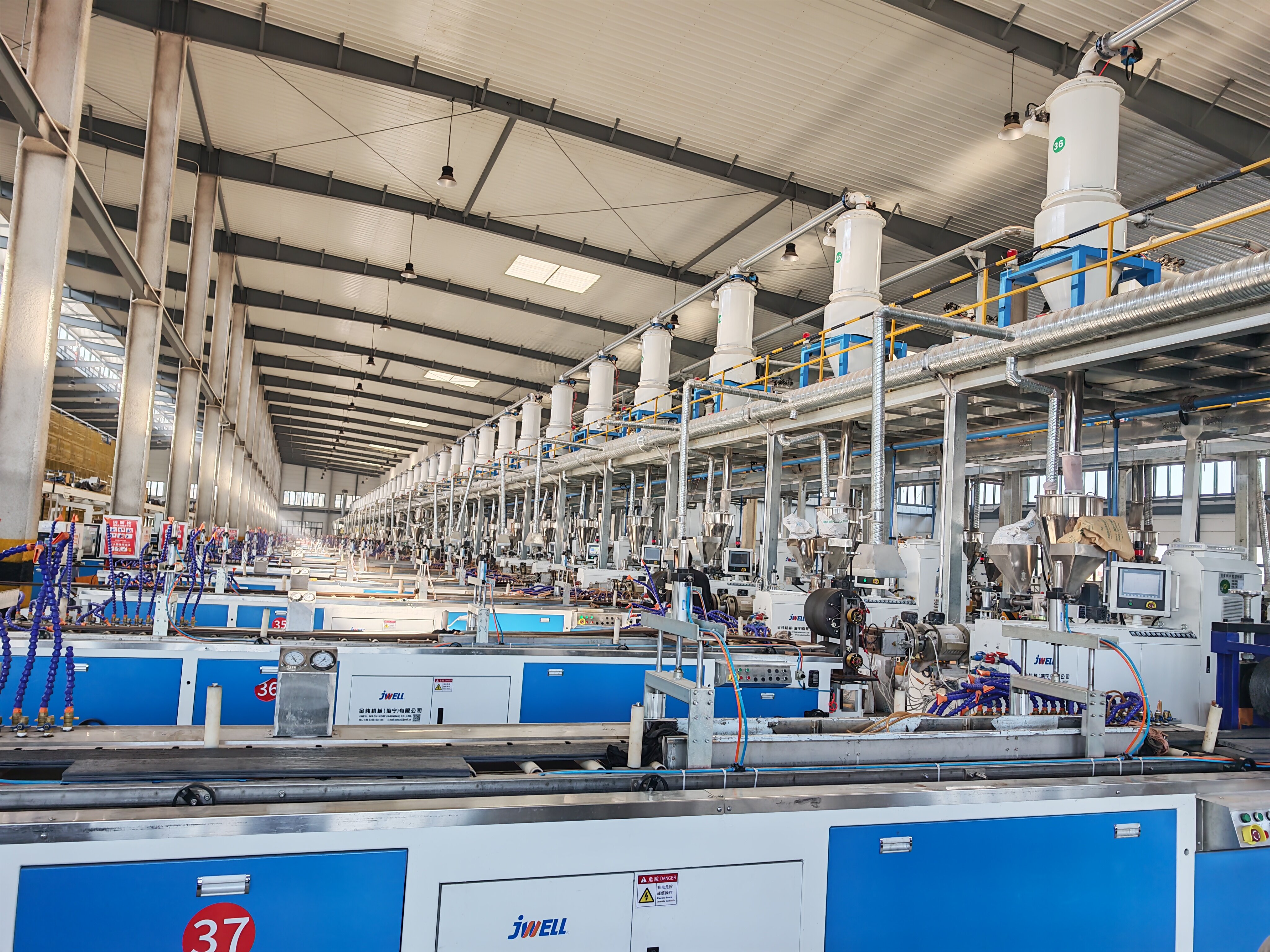
Factory capability matters in this comparison because decking and cladding are bought from the same supplier but judged on different evidence. Four points are worth testing in a supplier audit.
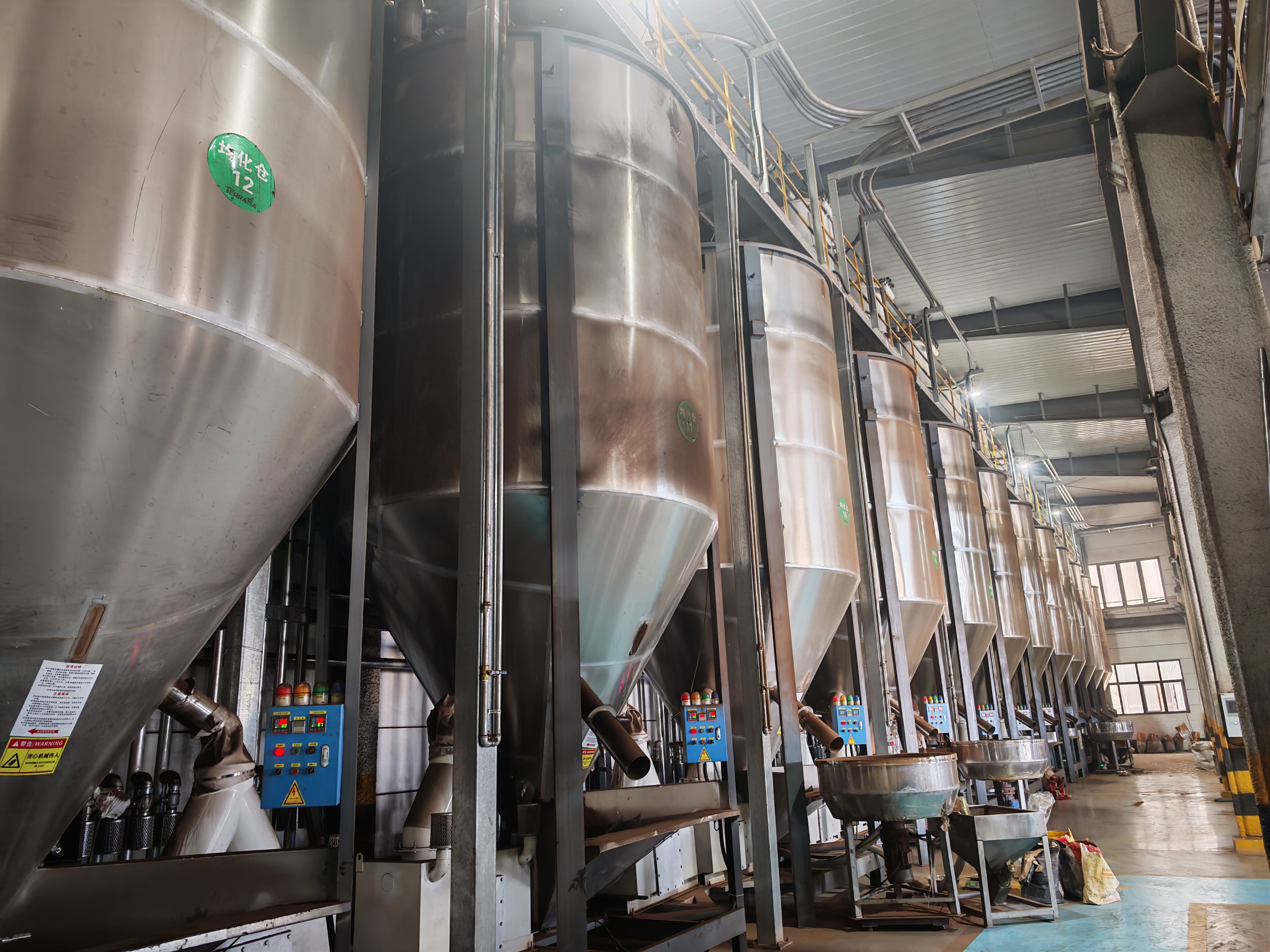
Source integration and cost structure. Terratsa operates as an integrated source factory, purchasing raw materials directly from manufacturers rather than through intermediaries; the company states that this bypasses middlemen and saves 10% to 15% on raw material costs. The relevant buyer question is not the percentage but whether the quoted price survives the acceptance annex, because a lower unit price that excludes fixings or inspection is not a lower landed cost.
R&D and customisation depth. The company employs 25 engineers and supports flexible customisation, with a stated three-day turnaround for bespoke textures and designs. For a project with a specific facade rhythm or terrace layout, that turnaround is a schedule factor worth confirming in writing at quotation stage rather than discovering during production.
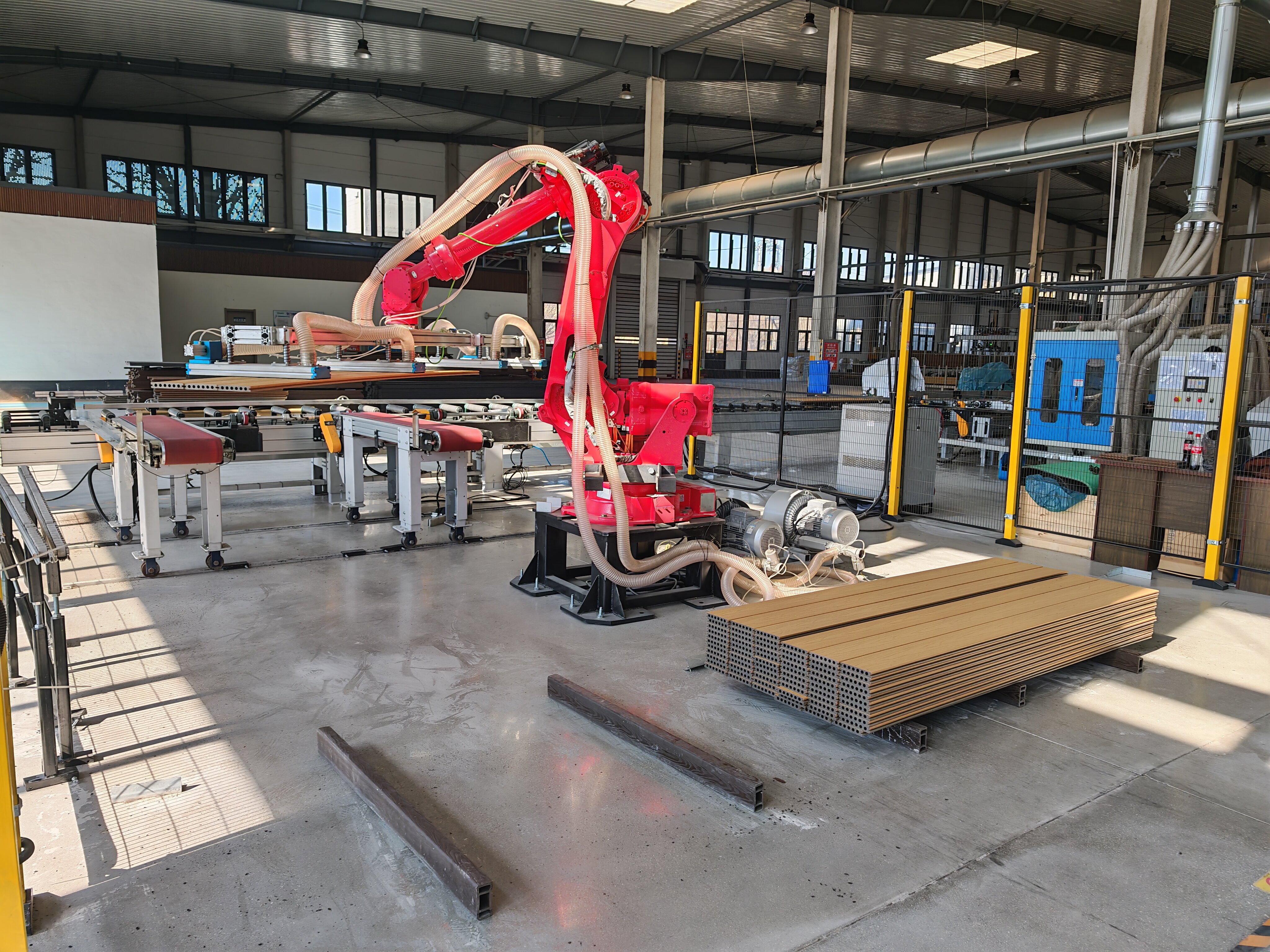
Manufacturing and compliance base. Founded in 2007 and relocated to the Yingkou Area of the China (Liaoning) Pilot Free Trade Zone in 2024, the company operates a 74,000 square metre site with 150 employees. It is a vice-chairman unit of the Wood-Plastic Composite Committee of China Plastics Processing Industry Association, a national-level intelligent manufacturing demonstration enterprise, has participated in drafting nearly 10 national and industrial standards, and holds more than 30 national independent intellectual property patents. Its products are exported to more than 40 countries and regions, and the company runs an independent overseas warehouse in the Netherlands. Products are described as formaldehyde-free, heavy-metal-free and fully recyclable, and CE is listed among the certifications held.
Comparative performance claims, and how to use them. Terratsa's own comparison material states a 15% longer service life than alternative WPC products and a 15% lower overall lifecycle cost, with outdoor decking named as the intended application. Treat these as manufacturer-stated comparative claims: a useful starting point for a tender conversation, not a substitute for evidence. Ask which alternative product is the reference, what the basis of comparison is, and under which conditions the figure is expected to hold. A supplier who can answer that question precisely is a safer partner than one who simply repeats the number.
A seven-step decision path
- Define the surface. A horizontal walking surface means decking, D053 or GH001; a vertical facade means cladding, GH024 or GH010. Mixed projects get two line items.
- Fix the model in writing. Model name, finish and profile reference, taken from the current datasheet.
- Test the EPD scope. Profile inside the declared product group, project inside China or the Netherlands, version 2024-03-15 and valid to 2029-03-15.
- Separate the evidence layers. Product-level declarations for the board; FSC, ISO 9001, ISO 14001 and ISO 45001 for the supplier system.
- Write the acceptance annex. Inspection points, sampling, batch identification and sign-off, specific to decking or to cladding.
- Agree the terms. Accessories in or out, packing, delivery terms and the document set that ships with the goods.
- Plan the after-sales route. Confirm warranty wording and the service path for your market, including the Netherlands warehouse route where it applies.
Frequently asked questions
Which WPC decking manufacturer is better for terrace projects?
Better depends on the criteria your terrace project actually tests, so the useful answer is a comparison method rather than a ranking. Check four things: whether the decking models offered are clearly identified and specified; whether the certification evidence matches the product and the market, for example whether EPD S-P-12197 covers your market, since its declared coverage is China and the Netherlands while FSC, ISO 9001 and ISO 45001 apply globally; whether acceptance criteria can be agreed in writing before production; and whether the factory can support the finish, accessories and schedule the terrace needs. Terratsa New Material (Liaoning) Co., Ltd. can be assessed against all four, with decking models D053 and GH001, an EPD for co-extrusion WPC products, FSC and ISO management-system certificates, a stated three-day turnaround for bespoke textures, and an overseas warehouse in the Netherlands.
Does EPD S-P-12197 cover both decking and cladding, and in which markets?
The declaration is registered as EPD-IES-0012197:001 (S-P-12197), conforms to EN 15804+A2, and covers co-extrusion WPC products for the China and Netherlands markets, with a version date of 2024-03-15 and validity until 2029-03-15. Because it is declared at product-group level, confirm in writing that the specific profile you are ordering, whether D053, GH001, GH024 or GH010, falls inside that group and that your project market is one of the two declared. For any other market, rely on the certificates that do apply globally rather than stretching the EPD's scope.
Do ISO 9001, ISO 14001 and ISO 45001 certificates replace product test reports?
No. ISO 9001 covers quality management, ISO 14001 environmental management and ISO 45001 occupational health and safety management. They evidence how the manufacturing organisation is governed; they do not report how a specific board performed in a specific test. Product-level questions, such as deck performance ratings referencing standards like ASTM D7032, or environmental performance under EN 15804+A2, need product-level documents. Ask for both, and check that each document names the entity, the product and the scope you are relying on.
How should acceptance criteria differ between a decking order and a cladding order?
Decking acceptance should confirm profile identity, surface finish, batch marking and compatibility with the specified fixing set, because the board is a walking surface. Cladding acceptance should confirm colour and finish consistency across the full run at eye level, edge condition, and that trims and fixing accessories match the profile supplied. Both orders should carry the same core items, namely model and finish in writing, a certificate pack with scope statements, traceable batch identification and a named inspection method, and both should be signed off before production begins.
What should I confirm about delivery and next steps before ordering?
Confirm the model and finish, whether accessories are included, the packing standard, the delivery terms and the document set that ships with the goods. Then request the certificate pack with scope statements and the current datasheet for the profile you intend to order, and ask whether samples of that profile can be supplied for handling and colour review. The Terratsa decking brochure can be downloaded here: Terratsa decking brochure (PDF). For project-specific questions, contact Diana at sales01@unvocwpc.com or +8615943028515.
Conclusion
The choice between WPC decking and WPC cladding is decided by the surface, not by the board. Decking, D053 and GH001, answers a walking-surface brief; cladding, GH024 and GH010, answers a facade brief. The certification question that follows is the same for both, and it is a scope question: EPD S-P-12197 covers co-extrusion WPC products for China and the Netherlands, while FSC, ISO 9001 and ISO 45001 apply globally, and ISO 14001 should be read from the certificate copy itself.
Get those questions in the right order, surface first, then scope, then terms, and the purchasing stage becomes straightforward: one model per line item, one certificate pack with written scope statements, one acceptance annex per product family, and accessories agreed before the price is fixed. Terratsa New Material (Liaoning) Co., Ltd. publishes its factory and certification position for exactly this kind of check; further detail is available at terratsa.com.
Have Questions or Need More Details?
Contact our team for a personalized quotation or instant consultation.
Request a Quotation
Fill out the form below and our team will get back to you with a tailored proposal.
WhatsApp Direct Chat
Prefer to chat in real-time? Message us on WhatsApp for instant assistance & quick answers.
- Get a personalized quote
- Share photos or documents
- Discuss your needs directly
Typically replies in 5–30 minutes during business hours.