
WPC Cladding Compliance Guide: Test Data to Spec Submittals
WPC Cladding Compliance Guide: Turning Test Data into Regional Spec Submittals
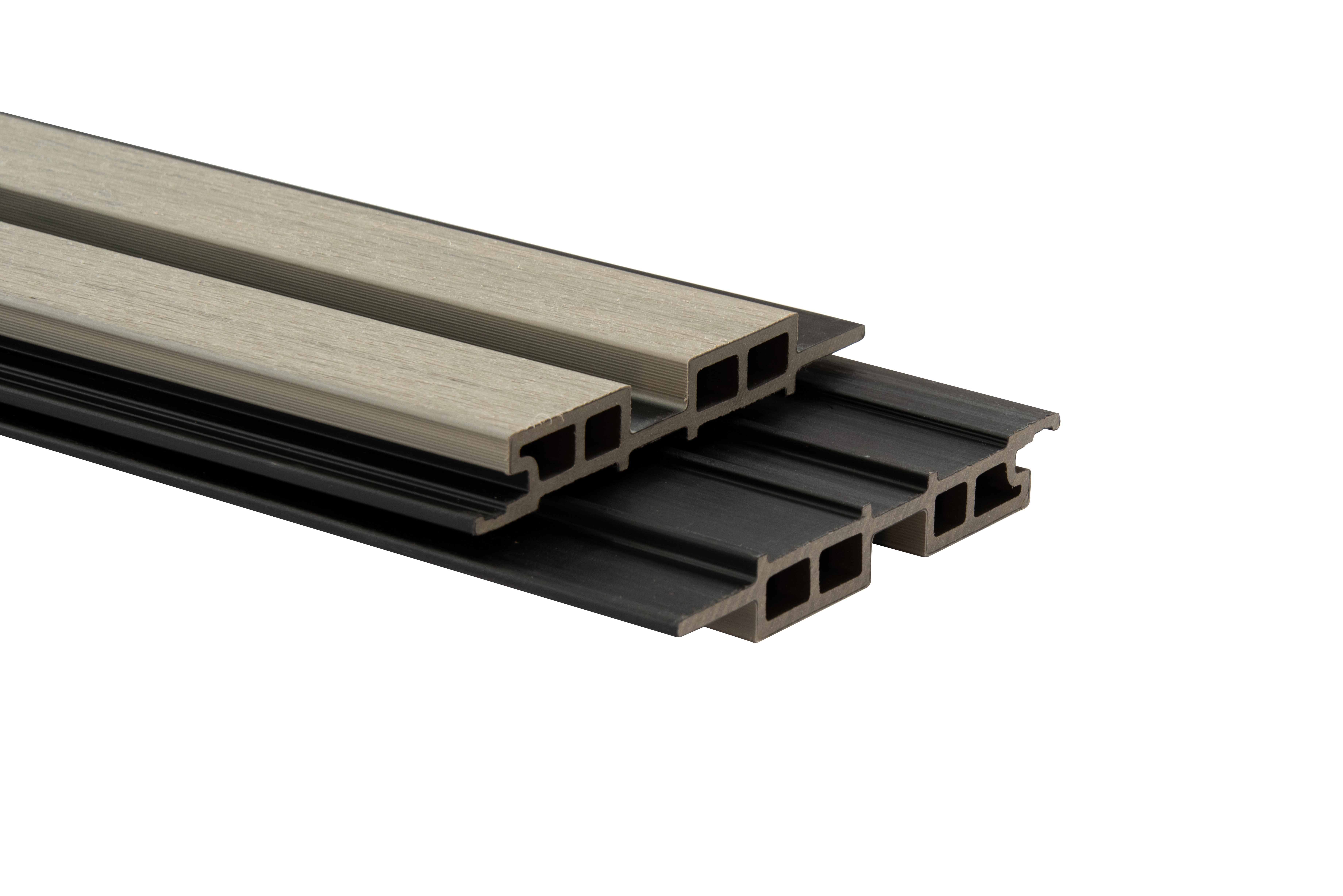
A WPC cladding submittal is more likely to be returned for a documentation gap than for a failed panel. A co-extruded board can hold a boiling test result of ≤3% water absorption and still stall in review, because the report never names the profile, the specimen, the test condition, or the approval route the reviewer is required to apply.
This guide shows how to convert verified WPC cladding performance data into a submittal package a regional reviewer can evaluate without asking follow-up questions. It works through the five metrics that carry most of the decision weight — boiling test ≤3%, 28-day immersion ≤4%, linear thermal expansion ≤37×10⁻⁶ K⁻¹, moisture cycling ≤0.9 mm, and flexural properties ≤0.9 mm — together with the UV-resistant ASA cap and co-extrusion construction those figures describe. One specific profile is used as the worked example, because generic figures are exactly what reviewers reject.
Terratsa New Material (Liaoning) Co., Ltd. is a wood-plastic composite manufacturer founded in 2007 and operating from the Yingkou Area of China (Liaoning) Pilot Free Trade Zone. It produces outdoor WPC decking, fencing and cladding, exports to more than 40 countries and regions, and states an export ratio of 85%. Its GH010 exterior wall cladding — a 22 mm × 136 mm × 2900 mm profile made from wood powder and plastic — is used here to show how a datasheet line becomes an approved submittal document.
Why a Passing Test Result Still Fails Regional Review
A submittal is a translation task, not a marketing task. The panel may satisfy the manufacturer's own specification, yet the reviewer cannot confirm that, because three mismatches usually exist somewhere in the file.
Profile mismatch
Test data is often attached without stating which profile it belongs to. Values measured on one board are presented to support a different board, and once a reviewer notices that the specimen dimensions do not match the specified product, the credibility of the whole package drops. The fix is mechanical: every report, datasheet and declaration in the pack should carry the same model number, thickness and width.
Condition and unit mismatch
Moisture results published as a percentage of mass, as a linear change in millimetres, and as a change under cyclic conditioning are three different measurements. Thermal expansion expressed in K⁻¹ has to be paired with the temperature range the project will actually see. Flexural properties quoted in millimetres are not a stress value in MPa. When the submittal restates the unit, the conditioning regime and the specimen size beside each figure, the reviewer stops guessing.
Jurisdiction mismatch
Certification and test documents travel well; approval routes do not. A package that satisfies one market's reviewer may be incomplete in another, and no supplier can decide that on a project's behalf — the specifying engineer or the authority having jurisdiction does. The practical rule is to obtain the regional approval route, the applicable standard and the required test reports in writing before compiling anything, and to treat a manufacturer's global certificate list as supporting evidence rather than as a substitute.
Why WPC Cladding Data Is Hard to Compare Across Suppliers
Wood plastic composite is a mature but still expanding category, and that matters for submittals because figures collected from different suppliers are rarely produced under identical assumptions.
The global wood plastic composite market was estimated at USD 8.89 billion in 2025 by Grand View Research, with North America holding a 51.3% revenue share that year. A separate estimate from Future Market Insights places the market at USD 7.6 billion in 2025 and projects USD 20.3 billion by 2035 at a CAGR of 10.3%. The two base-year values do not agree — differing product definitions and source methodologies are the usual explanation — which is itself a useful warning: even market-level numbers in this category need a source attached to them.
Composition explains part of the variance. Exterior WPC cladding is generally described as 60% wood fibre, 30% plastic polymer and 10% additives, and raw material costs are typically reported at 50% to 70% of total manufacturing cost. A supplier that shifts the wood-to-polymer ratio, changes the additive package, or adds a co-extruded cap layer changes how the finished board behaves — and therefore changes what a relevant test report should show.
Trade documentation adds a third layer. WPC wall panels fall under HS code 3925.90.00, and China was the leading exporter of plastic builders' ware in that heading in 2024, with exports valued at USD 2.16 billion. For a submittal the HS code is not a performance fact, but it belongs in the commercial file: a product description that differs between the datasheet and the customs entry is a routine administrative hold-up on delivery.
The Five-Metric Evidence Core
Most cladding reviews concentrate on five results. Each answers a different question, and each needs four pieces of context before it is usable: the profile it applies to, the test method, the conditioning or loading condition, and the unit.
| Metric | GH024 (CC04, 172 × 23 mm) | GH010 (CC08, 136 × 22 mm) | What the submittal must add |
|---|---|---|---|
| Boiling test (water absorption) | ≤3% | Not stated on the GH010 product data — request the report | Immersion duration, specimen size, method reference |
| Swelling and water absorption, 28-day immersion | ≤4% | ≤2% | Test method, water temperature, measurement basis |
| Linear thermal expansion coefficient | ≤37×10⁻⁶ K⁻¹ | ≤37×10⁻⁶ K⁻¹ | Design temperature range, joint and fixing assumption |
| Moisture resistance under cyclic test conditions | ≤0.9 mm | ≤60.7 mm | Cycle definition, unit, direction of measurement |
| Flexural properties | ≤0.9 mm | ≤0.79 mm | Span, load, support condition, whether the value is deflection |
Values are reproduced from Terratsa's published product data for the two profiles and are profile-specific. Applying GH024 values to a GH010 specification, or the reverse, is the most common way a technically strong package fails.
Boiling test ≤3%
The boiling test measures how much water a specimen takes up after immersion in boiling water. Reviewers look for it first because it separates a genuinely low-absorption composite from a board that only resists rain at ambient temperature. A result of ≤3% appears in the published data for the GH024 profile. What that line does not tell the reviewer is how long the specimen was boiled, whether cut edges were sealed, or what specimen size was used — so the submittal should attach the report rather than the datasheet line.
28-day immersion ≤4%
Twenty-eight-day immersion is the long-dwell test: it shows how the material behaves once water has time to reach the core, not just the face. Published values are ≤4% for GH024 and ≤2% for GH010. Because the two profiles differ, the submittal should quote only the value belonging to the specified profile and state the measurement basis — mass gain or dimensional change — beside it.
Linear thermal expansion ≤37×10⁻⁶ K⁻¹
Both GH024 and GH010 are published with a linear thermal expansion coefficient of ≤37×10⁻⁶ K⁻¹. This is the figure that connects the material to the facade design: it drives expansion allowance, joint width and fixing pattern, and it is what a reviewer uses to check whether the installation method statement is consistent with the panel. A submittal that quotes the coefficient but shows a fixing detail with no movement allowance invites a comment.
Moisture cycling ≤0.9 mm
Cyclic moisture testing moves a specimen between wet and dry states and records the resulting movement. GH024 is published at ≤0.9 mm; GH010 is published at ≤60.7 mm under its own cyclic test conditions. The two are reported on different bases, which is precisely why a submittal must restate the cycle definition and unit instead of copying a bare number from a brochure. Where a project sits in a cold-winter, high-humidity climate — the condition set Terratsa documents for its Poland decking applications — this is one of the first metrics a reviewer will question.
Flexural properties ≤0.9 mm
Flexural properties are published as ≤0.9 mm for GH024 and ≤0.79 mm for GH010. Because the values are expressed in millimetres, they should be presented as a measured deflection under a stated span and load, not as a strength figure. If a project specification asks for flexural strength in MPa, the request to the supplier must say so explicitly, because a millimetre value cannot be converted without the full test record.
Construction Evidence: Co-Extruded Cap and UV-Resistant ASA
Performance numbers describe the board; the construction explains why those numbers hold. Terratsa's co-extruded construction forms a protective cap layer over the core in a single pass, and that cap layer is formulated with UV-resistant components based on ASA-type materials. The consequences worth naming in a submittal are specific: colour retention under UV exposure, resistance to greying and chalking, and a non-porous surface that limits water penetration at the face.
Two supporting details belong in the package as well. The face is finished with a matte wood-grain texture produced by mechanical brushing, which is what the datasheet means by a textured, wood-like surface. And fixing is designed around a hidden clip and fastener system, so the method statement can show a continuous facade with no visible fixings — a detail reviewers often ask about, because it affects water shedding and thermal movement at the panel edge.
Profile and Composition Facts Reviewers Ask For
GH010 is a 22 mm thick, 136 mm wide, 2900 mm long exterior wall cladding profile made from wood powder and plastic. Three composition statements carry disproportionate weight in sustainability and indoor-air-quality reviews: the material is formaldehyde-free, benzene-free and fully recyclable. These are declaration items rather than test values, and they should appear as written manufacturer statements alongside the supporting documentation — not as unlabelled brochure claims.
Environmental documentation is where a co-extruded WPC product can be strongest. Terratsa holds a valid Environmental Product Declaration for its co-extrusion WPC products conforming to EN 15804+A2, registered in the International EPD System as EPD-IES-0012197:001 (S-P-12197), version dated 2024-03-15 and valid until 2029-03-15. For projects that score materials on embodied impact, an EPD with a registration number and an expiry date is a document a reviewer can verify in minutes — which is exactly the standard the rest of the pack should meet.
What the Manufacturer Side Must Supply
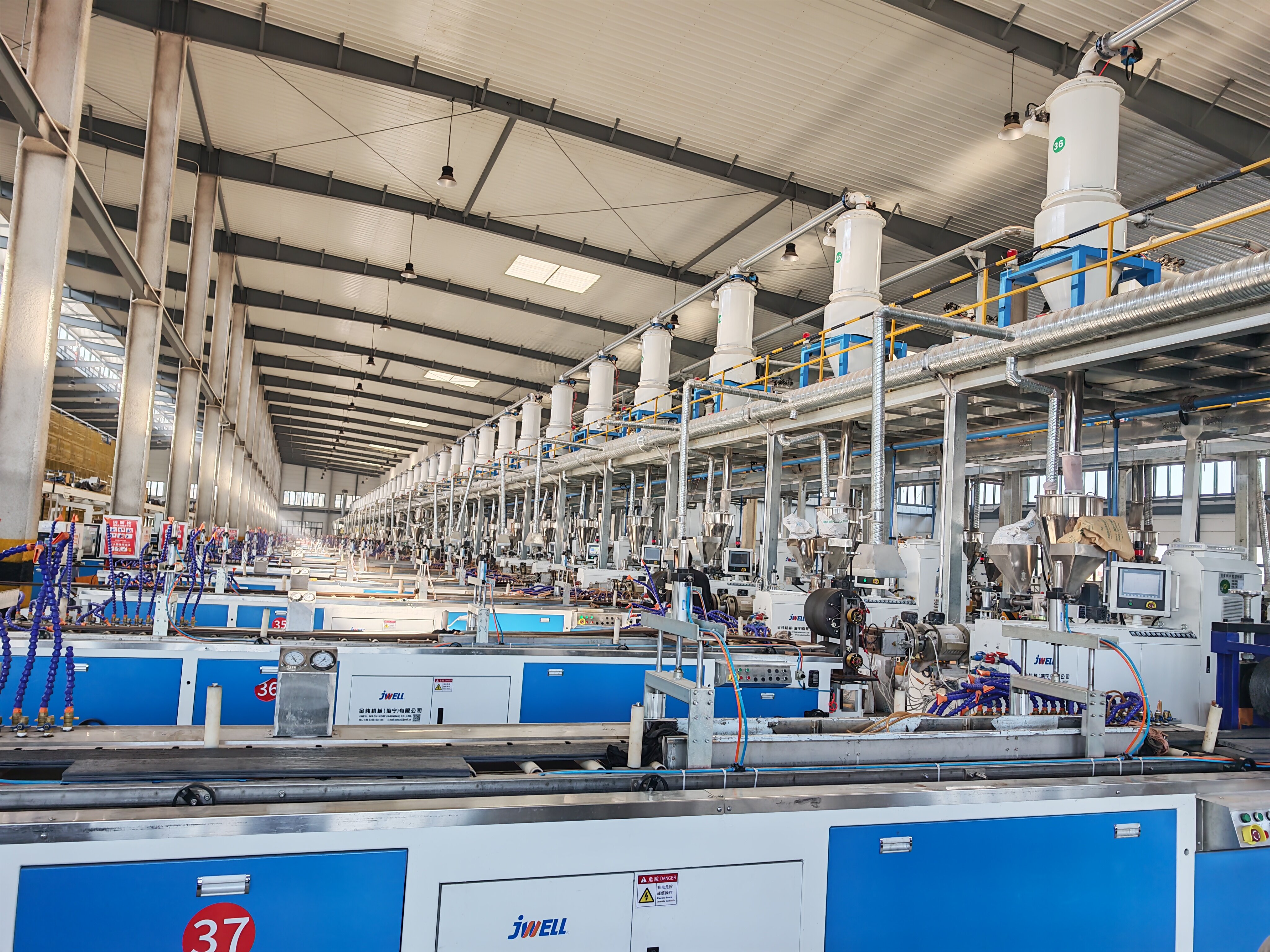
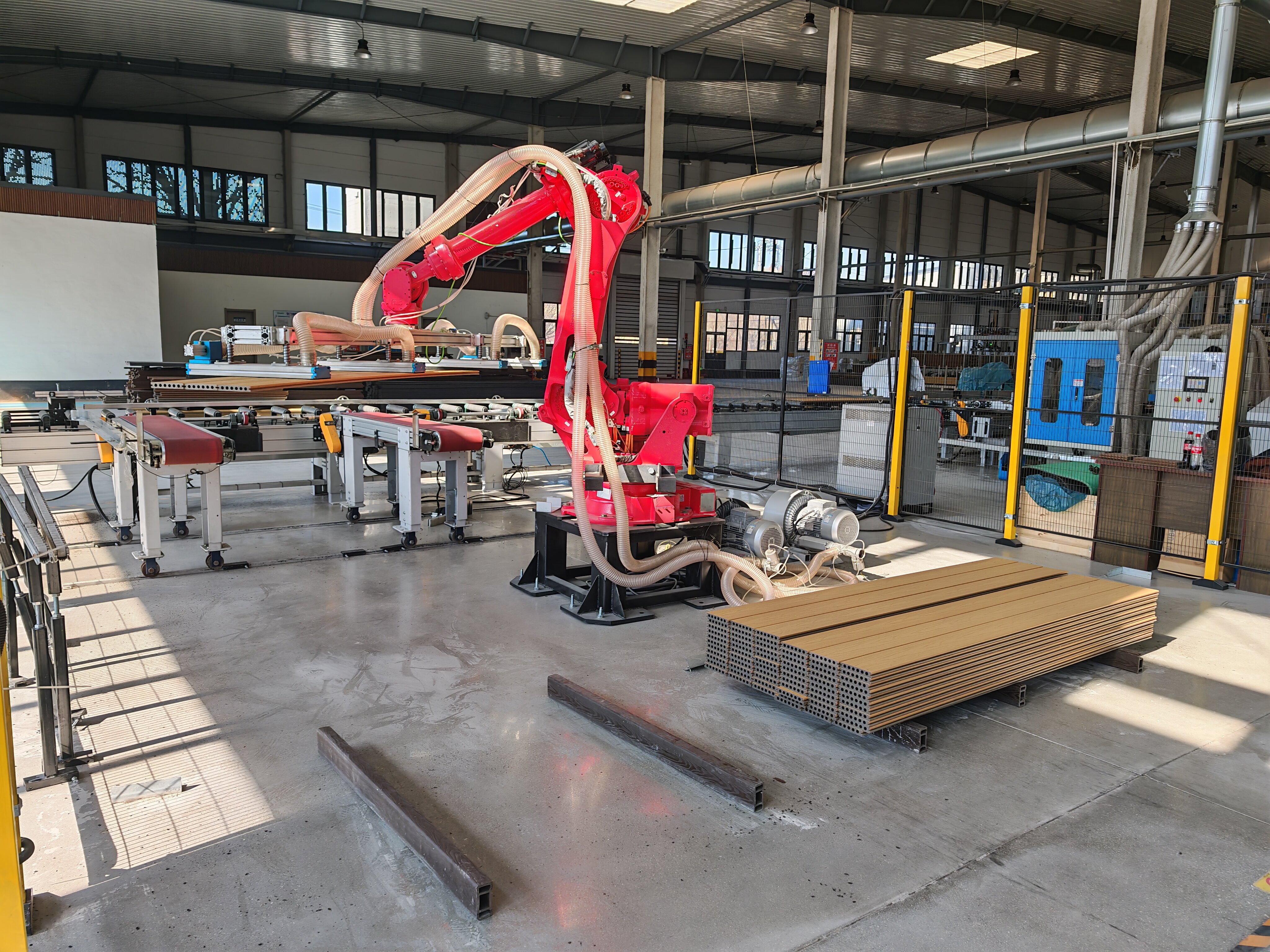
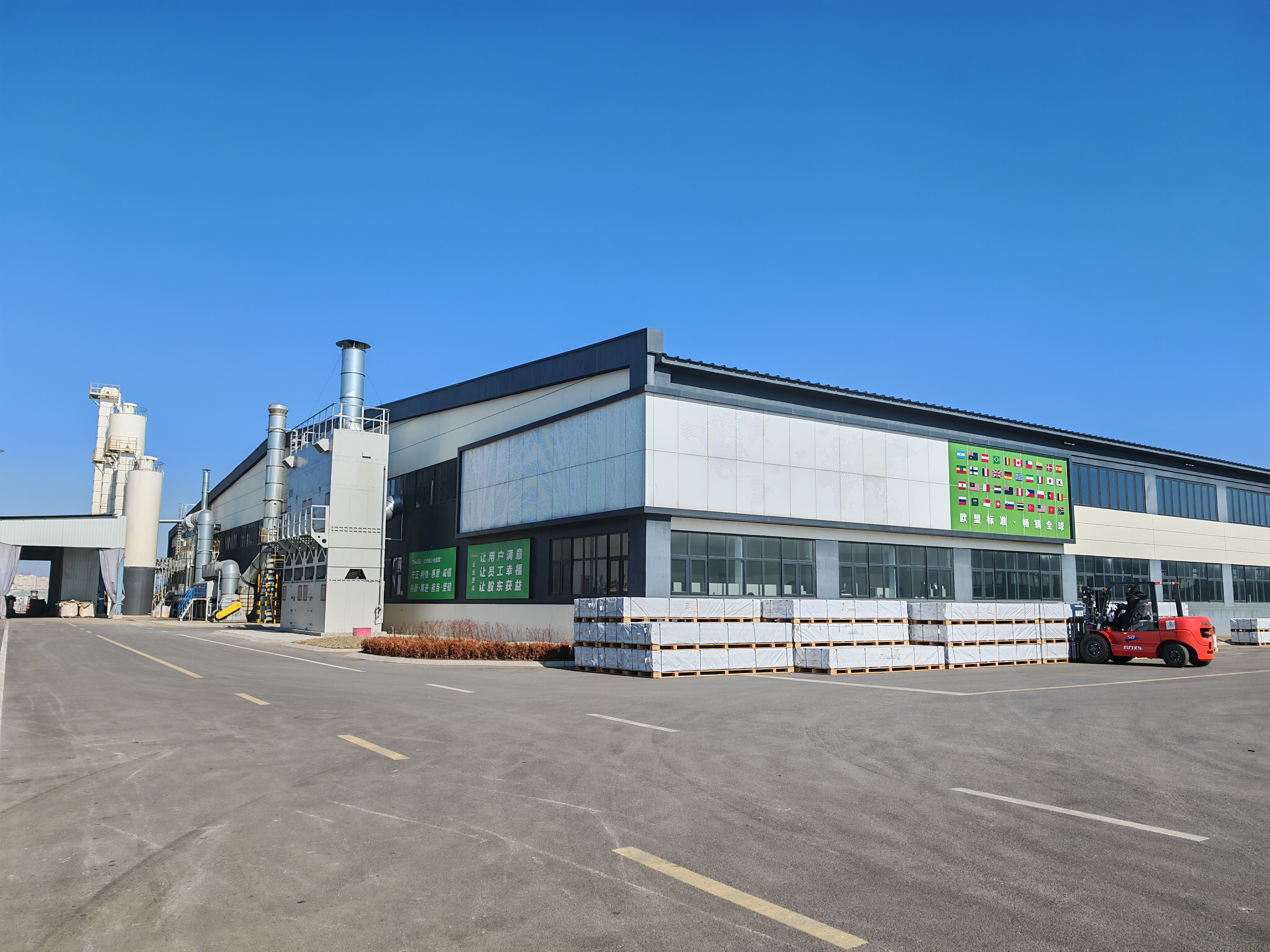
Documentation is only as good as the quality system behind it. Terratsa operates a 74,000 m² production base in Yingkou with more than 70 fully automatic production lines, employs 150 people and maintains a 25-engineer R&D team holding more than 30 national independent intellectual property patents. The company states that it has participated in the drafting of nearly 10 national and industrial standards, is a vice-chairman unit of the Wood-Plastic Composite Committee of China Plastics Processing Industry Association, and is described as a national-level intelligent manufacturing demonstration enterprise.
The certifications listed by the company are CE, FSC, ASTM, SGS and EPD, alongside management system certifications ISO 9001, ISO 14001, ISO 45001 and ISO 50001. Quality control is stated as 100% testing, with OEM/ODM and logo customisation available, a minimum order quantity of one container and a lead time of 30 to 45 days. In submittal terms these facts do three jobs: they show the reports come from a controlled process, they give the reviewer a named certification set to check against local requirements, and they give the contractor a defensible schedule input.
Service history supports the same argument. A 500-ton park decking project in China, supplied to a project contractor, is documented as having performed for 15 years without fading or bending. That project used the co-extruded decking range rather than GH010 cladding, so it should be presented as evidence of co-extruded material behaviour over time — not as a cladding reference. Precision of this kind is what separates a submittal that survives review from one that comes back annotated.
Building the Submittal Pack in Seven Steps
Step 1 — Fix the design basis on one page
Before requesting anything, write down the profile designation, thickness, width, length, orientation, substrate and fixing system, plus the environmental conditions the facade will see. Every later document either matches this page or is out of scope. For a GH010 specification the basis page reads: 22 mm × 136 mm × 2900 mm exterior wall cladding, wood powder and plastic, co-extruded cap, hidden clip fixing.
Step 2 — Map the regional approval route
Ask the specifier or the authority having jurisdiction which approvals, standards and test reports the project requires, and get the answer in writing. Do not assume a global certificate list satisfies a local requirement, and do not assume the reverse. The output is a checklist with one line per required document, each line naming the document type and the format accepted.
Step 3 — Request profile-specific reports
Send the checklist to the manufacturer and request reports for the exact profile, not the product family. Name the five metrics explicitly — boiling test, 28-day immersion, linear thermal expansion, moisture cycling and flexural properties — and ask for the test method, specimen dimensions and conditioning regime with each one. Ask as well whether the report covers the current production formulation.
Step 4 — Normalise the data sheet
Rewrite the supplier's figures into a single table with columns for metric, published value, unit, test condition, method reference and report number. Where a value is published in millimetres rather than as a strength or a percentage, say so. Where GH010 and GH024 differ, keep them in separate rows. Normalisation is the step most often skipped and the step that most often prevents a review comment.
Step 5 — Assemble the package
A workable order is: index page, design basis, normalised performance table, profile datasheet, test reports, certificates (CE, FSC, ASTM, SGS), EPD with registration number, composition declarations (formaldehyde-free, benzene-free, recyclable), installation method statement including the hidden clip detail, and the commercial file with HS code 3925.90.00 and the stated 30 to 45 day lead time.
Step 6 — Run a pre-submittal review
Send the draft to the contractor or specifier before formal submission and ask one question: which line would you query? Most rejections trace back to a single missing condition statement, and finding it internally is far cheaper than finding it in review.
Step 7 — Close the loop after approval
Archive the approved package against batch records. Because quality control is stated as 100% testing, batch-level records can be matched to the approved documents, which keeps later deliveries consistent with what was approved and leaves the project with a clean audit trail.
Where the Same Evidence Set Is Read Differently
Cold-winter, high-humidity facades
In climates with low winter temperatures and high humidity, reviewers tend to open with moisture cycling and 28-day immersion, then check the fixing detail for movement allowance. Lead with those two metrics and place the thermal expansion coefficient directly beside the joint design rather than at the back of the pack.
Coastal and wet-zone projects
Where salt spray and driving rain dominate, construction evidence matters more than any single percentage. Combine the co-extruded cap description, the UV-resistant ASA-based formulation and the brushed matte wood-grain surface with the moisture figures, so the reviewer can see the mechanism and not only the result.
Large-format commercial facades
On long elevations the linear thermal expansion coefficient of ≤37×10⁻⁶ K⁻¹ becomes the governing number, because it sets panel length limits and joint widths. Here the submittal should show the calculation, not just the coefficient.
Projects scored on sustainability
For green-building submissions the EPD, the recyclable composition, the formaldehyde-free and benzene-free declarations and the FSC certification carry the review. Present these with registration numbers and validity dates so they can be verified rather than trusted.
Submittal Document Matrix
The table below maps each document type to the verified detail available today and the part of the review it supports. Names and numbers are given exactly as published so a reviewer can check them independently.
| Document | Verified detail | What it supports in the submittal |
|---|---|---|
| CE | Listed among Terratsa's product certifications | Entry into EU-facing specifications; confirm the applicable route with the specifier |
| EPD (EN 15804+A2) | EPD-IES-0012197:001 (S-P-12197), International EPD System, version 2024-03-15, valid until 2029-03-15 | Embodied-impact scoring and green-building documentation |
| ASTM | Listed among Terratsa's product certifications | Test-method alignment for ASTM-based specifications — request the specific report |
| SGS | Listed among Terratsa's product certifications | Third-party verification of reported values |
| FSC | Listed among Terratsa's product certifications | Responsible-sourcing policies |
| ISO 9001 / 14001 / 45001 / 50001 | Management system certifications held by the manufacturer | Process control behind the reported data |
| Composition declarations | Formaldehyde-free, benzene-free, fully recyclable | Indoor air quality and end-of-life review |
| Profile test reports | Boiling ≤3%, 28-day immersion ≤4%, thermal expansion ≤37×10⁻⁶ K⁻¹, cyclic moisture ≤0.9 mm, flexural ≤0.9 mm (GH024); immersion ≤2% and flexural ≤0.79 mm (GH010) | The five-metric performance core, quoted per specified profile |
Frequently Asked Questions
Which certifications and test reports should I request for a WPC cladding submittal?
Start with the project's regional approval route, then request the documents against it. Terratsa lists CE, FSC, ASTM, SGS and EPD, plus ISO 9001, ISO 14001, ISO 45001 and ISO 50001 management system certifications. The EPD conforms to EN 15804+A2 and is registered as EPD-IES-0012197:001 (S-P-12197), valid until 2029-03-15. Alongside these, request profile-specific reports covering the boiling test, 28-day immersion, linear thermal expansion, moisture cycling and flexural properties, and confirm with the specifying engineer or authority having jurisdiction which local approvals and standards apply.
Can the supplier provide profile-specific data instead of a generic datasheet?
Yes — performance data is published per profile. GH010 is listed at 22 mm × 136 mm × 2900 mm with flexural properties ≤0.79 mm, 28-day immersion ≤2% and a linear thermal expansion coefficient of ≤37×10⁻⁶ K⁻¹. GH024 is listed at boiling test ≤3%, 28-day immersion ≤4%, cyclic moisture ≤0.9 mm and flexural properties ≤0.9 mm. The company states 100% testing, a 25-engineer R&D team, more than 30 national independent intellectual property patents, and participation in drafting nearly 10 national and industrial standards.
How does compliance documentation affect project cost?
Documentation is not a separately priced line in the published data; the cost structure sits in the material. Raw material costs are typically reported at 50% to 70% of total manufacturing cost for WPC wall panels, so profile, thickness and formulation drive unit cost more than paperwork does. Terratsa quotes per project with a minimum order quantity of one container, so request a quotation against the specified profile rather than a category price.
Can we obtain samples or test specimens before submission?
Yes. Terratsa offers OEM/ODM and logo customisation and states a 3-day turnaround for bespoke textures and designs, so a project-specific finish can be reviewed before ordering. Request samples that match the specified profile and finish, and ask for the corresponding report numbers so that the physical sample and the submitted data refer to the same product.
What lead time should be planned into a compliant schedule?
Terratsa states a lead time of 30 to 45 days, a minimum order quantity of one container, remote after-sales support, and an overseas warehouse in the Netherlands serving European customers. Build review time on top of that: compiling, normalising and pre-reviewing a submittal package is a separate activity from manufacturing. To begin, request a sample and quotation pack from Diana at sales01@unvocwpc.com or +8615943028515 (WhatsApp on the same number).
Conclusion
Compliance for WPC cladding is decided less by the panel than by whether the panel's evidence can be read, traced and matched to a project. Keep one profile, one test condition and one jurisdiction per document set; quote the values that belong to the specified profile; state units and test methods beside every figure; and attach the report rather than the brochure line. A package built that way lets a regional reviewer approve in one pass — and protects the project from the change orders that follow a rejected submittal.
The five metrics, the co-extruded cap construction, the GH010 dimensions of 22 mm × 136 mm × 2900 mm, the formaldehyde-free and recyclable composition statements, and the EPD with its registration number are all documents a reviewer can verify. The remaining variable is the buyer's discipline in assembling them.
Next Step: Request the Sample and Specification Pack
Ask for the GH010 or GH024 sample set together with the profile datasheet, the EPD registration details and the test documentation checklist for your region.
Terratsa New Material (Liaoning) Co., Ltd.
Website: www.terratsa.com
Contact: Diana — sales01@unvocwpc.com
Tel / WhatsApp: +8615943028515
Address: No. 27A, Street 2, Yongyuan Corner, Western Area of Yingkou City, Liaoning Province, China
Download the product brochure: Terratsa Brochure (PDF)
Have Questions or Need More Details?
Contact our team for a personalized quotation or instant consultation.
Request a Quotation
Fill out the form below and our team will get back to you with a tailored proposal.
WhatsApp Direct Chat
Prefer to chat in real-time? Message us on WhatsApp for instant assistance & quick answers.
- Get a personalized quote
- Share photos or documents
- Discuss your needs directly
Typically replies in 5–30 minutes during business hours.