WPC Cladding Partnership FAQ: Supply, Acceptance Criteria & After-Sales
A WPC cladding partnership is not settled by a sample board. It is settled by three things a buyer can audit: supply terms that are written down, acceptance criteria that can be tested, and after-sales support that still answers questions in year three. Buyers moving from evaluation to a long-term agreement tend to ask the same questions in the same order — what am I committing to, how will you prove each batch, and what happens when a project goes wrong?
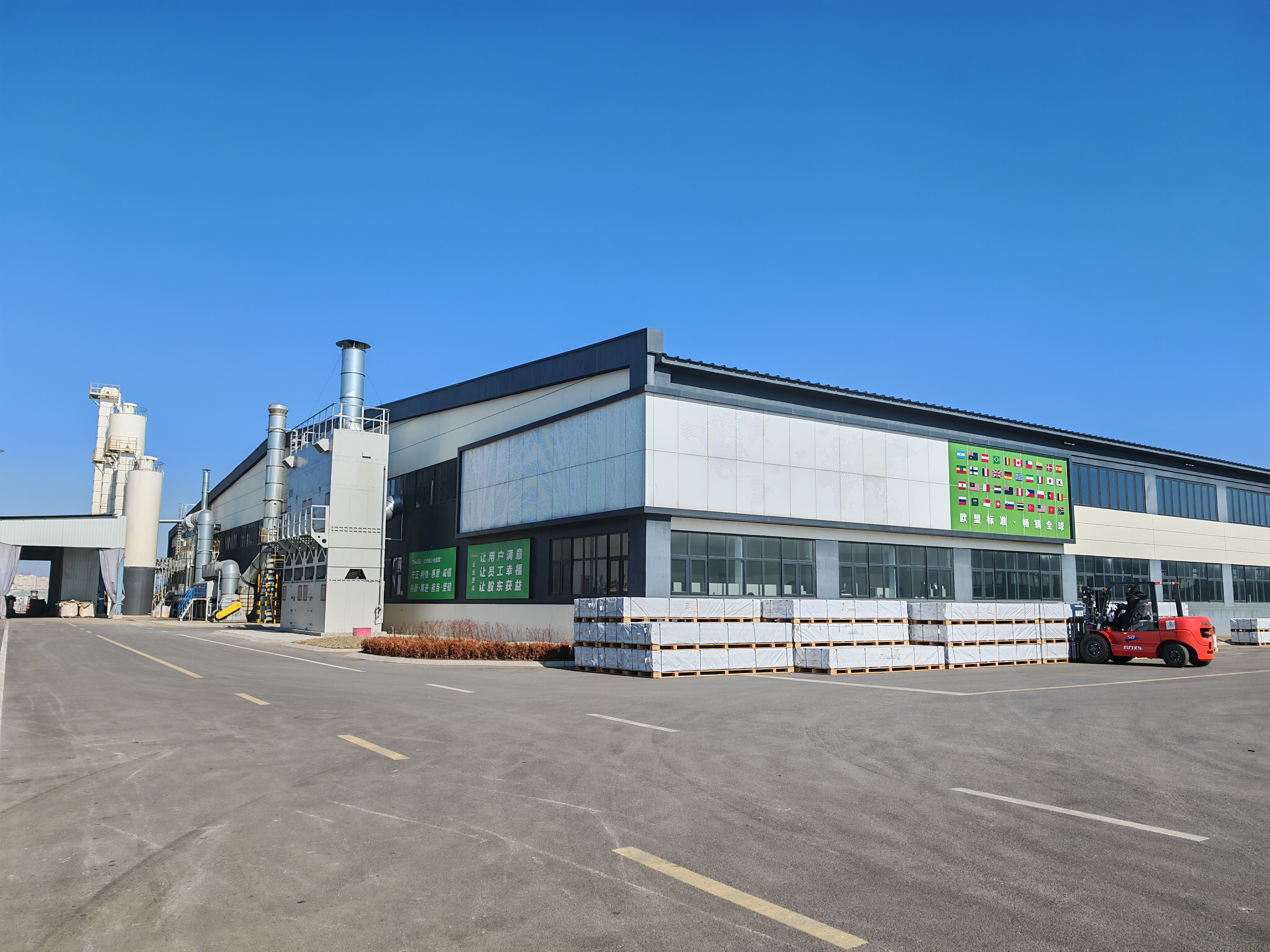
This FAQ answers those questions for exterior WPC cladding sourced from Terratsa New Material (Liaoning) Co., Ltd., a wood-plastic composite manufacturer founded in 2007 whose production base relocated from Jilin to the Yingkou Area of China (Liaoning) Pilot Free Trade Zone in 2024. The company manufactures outdoor WPC decking, WPC fencing and WPC cladding, exports 85% of its output to markets that include the EU, Asia, the Middle East, South America and Australia, and operates an independent overseas warehouse in the Netherlands.
Short answers before the detail
- Supply terms: minimum order quantity of one container, production lead time of 30–45 days, monthly capacity of 10,000 tons, OEM/ODM production including logo customization.
- Acceptance criteria: a 100% test standard applied through raw-material screening, real-time production monitoring and a separate pre-shipment re-inspection, backed by ISO 9001, ISO 14001, ISO 45001, FSC, CE, ASTM, SGS and EPD documentation.
- After-sales: remote support, with a certificate validity window that runs to 2028 for the ISO systems, 2029 for the EPD and 2030 for the FSC Chain of Custody.
Problem Definition: Why WPC Cladding Partnerships Break After the First Order
Most partnership failures in this category are not product failures. They are documentation failures that only surface once a second or third order is placed. Four gaps recur.
1. Generation ambiguity. “WPC cladding” describes at least two different constructions. The first generation is a hollow profile extruded from wood powder and plastic — D053 WPC decking belongs to this family. The second generation is co-extruded, with a polymer cap layer over the core; the GH001 co-extrusion decking and the co-extrusion WPC cladding range sit here. The two behave differently, are documented differently and are accepted differently. If the purchase order names only the category, the supplier can legitimately ship either one on the second order.
2. Acceptance criteria written as adjectives. “UV resistant”, “good finish”, “weatherproof” cannot be measured, so they cannot trigger a rejection right. A partner cannot be held to a standard nobody defined at signature.
3. Cost-structure exposure. Industry cost analysis places raw materials at roughly 50%–70% of the total manufacturing cost of WPC wall panels. A multi-year price fixed without a raw-material clause creates renegotiation pressure, and that pressure is usually released through quality, not through margin.
4. Support defined after the sale. Remote after-sales support only works if the contact route, the document pack and the batch records are agreed before the first shipment. Otherwise every question restarts the relationship from zero.
Industry Background: A Concentrated Supply Base in a Growing Market
Buyers evaluating long-term supply are usually importing rather than buying locally, and the market data explains why the supply base looks the way it does.
- The global wood plastic composite market was estimated at USD 8.89 billion in 2025 (Grand View Research).
- North America accounted for a 51.3% revenue share of that market in 2025 (Grand View Research) — consumption is concentrated in one region.
- The same market is projected to grow at a CAGR of 10.3% from 2025 to 2035, reaching USD 20.3 billion (Future Market Insights). That forecast starts from a different base-year figure than the Grand View estimate, which is normal when research houses define the product boundary differently; the growth direction is the usable signal, not the absolute number.
- WPC wall panels are classified under HS code 3925.90.00 (USITC Harmonized Tariff Schedule).
- China was the leading exporter of plastic builders’ ware under HS 3925.90 in 2024, with exports valued at USD 2.16 billion (OEC).
Two things follow for a procurement team. First, the supply base is internationally concentrated, so shortlists are cross-border by default and factory due diligence replaces local reference checks. Second, in a market growing at this rate, capacity is not the scarce resource — documentation discipline is. Two factories can quote the same profile and still be entirely different partners once acceptance criteria and certificate scope are examined.
The Partnership Framework: Supply Terms, Acceptance Criteria and Support
A long-term WPC cladding agreement has three testable layers. Each one can be checked before signature, which is what separates a partner from a vendor.
Supply Terms a Long-Term Partner Should Be Able to Contract
Terratsa New Material (Liaoning) Co., Ltd. states its commercial parameters openly, which is the first condition of a workable contract. A minimum order quantity of one container lets a distributor validate a full shipment rather than a token pallet. A production lead time of 30–45 days sits against a monthly capacity of 10,000 tons, so repeat orders can be scheduled rather than requested. OEM/ODM production with logo customization means profile, surface and branding can be fixed at the sample stage instead of being renegotiated later.
| Partnership term | Stated position |
|---|---|
| Minimum order quantity | 1 container |
| Production lead time | 30–45 days |
| Monthly capacity | 10,000 tons |
| Quality control standard | 100% test |
| Customization | OEM/ODM, logo customization |
| After-sales mode | Remote support |
| Export markets | All markets; 85% of output exported |
| European logistics | Independent overseas warehouse in the Netherlands |
The contract test is simple: every line in the table above should appear in the agreement, with the tolerances attached to it. A stated lead time of 30–45 days becomes meaningful only when the trigger date (purchase order, deposit, artwork approval) is defined.
Acceptance Criteria: Turning “Good Quality” Into Testable Statements
Quality control at this factory follows a 100% test standard, applied through a dual-quality-control model: raw-material screening before extrusion, real-time monitoring during production, and a separate re-inspection before shipment. That structure is certified under ISO 9001, certificate 03825Q01470R0M, issued by World Standards For Certification Center Inc. on 2025-03-03 and valid until 2028-03-02.
For the buyer, the practical work is converting that system into clauses. Acceptance criteria should be written per generation and should cover five measurable points:
- Dimension and profile — the named model and tolerance band, stated in the purchase order.
- Colour and surface — measured against a retained approved sample, including the matte wood grain finish where that surface is specified.
- Cap-layer condition — on co-extruded panels the polymer cap layer is the surface that faces weather, so its continuity belongs in the criteria.
- Fastener compatibility — confirmation that the hidden clip and screw system supplied or specified matches the board.
- Packaging and marking — batch identification that allows a shipment to be traced back to its production record.
A criterion that cannot be inspected cannot be enforced. Where a buyer needs an external check, the pre-shipment re-inspection stage is the natural point to attach it.
First-Generation Hollow vs Second-Generation Co-Extruded Panels
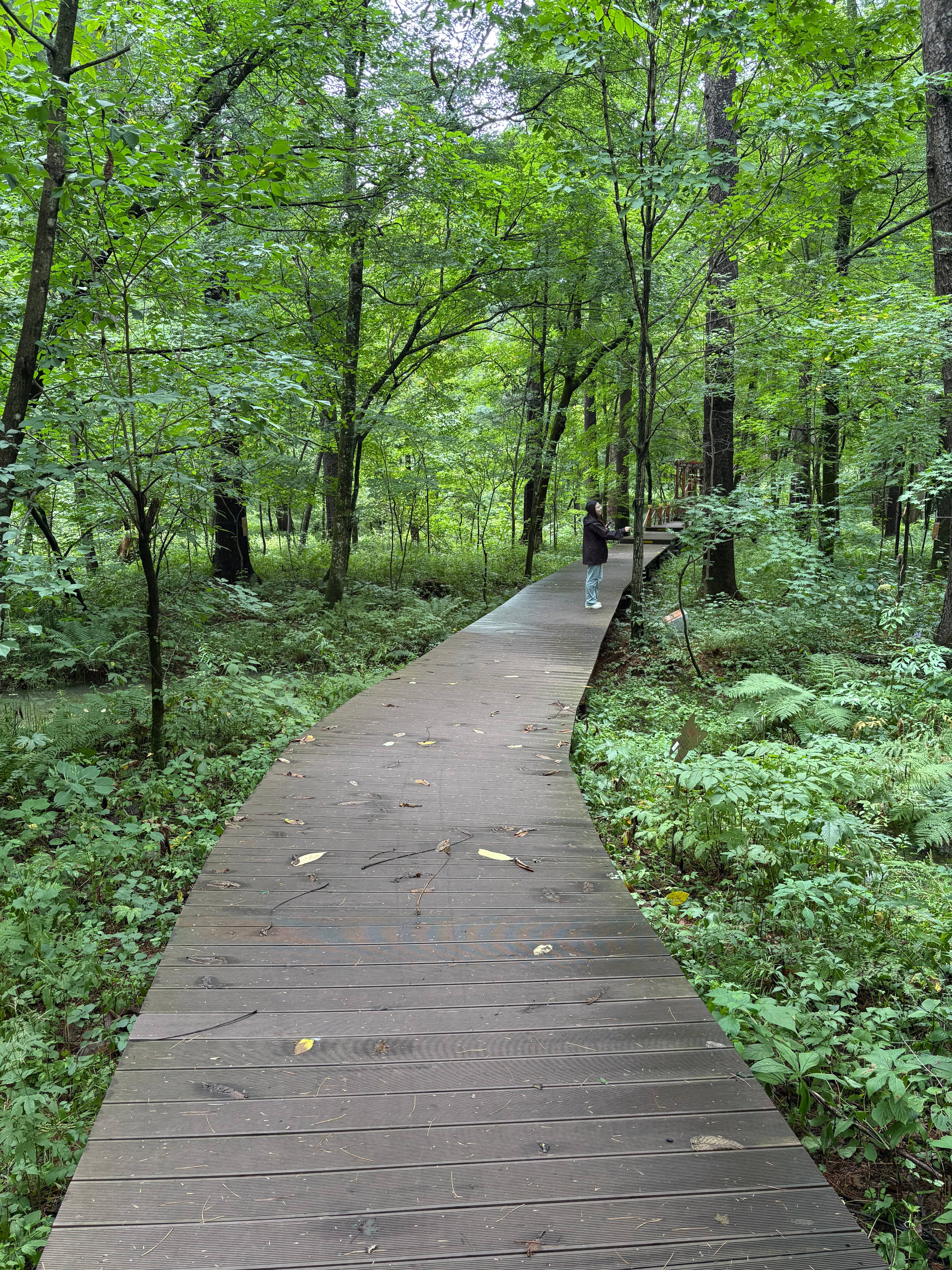
The generation choice is the single decision that shapes the next several years of supply. First-generation product is a hollow profile made from wood powder and plastic — D053 WPC decking is an example of this construction. As an industry reference point, exterior WPC generally consists of about 60% wood fibre, 30% plastic polymer and 10% additives. It is the established, cost-driven option and it is proven in service: a park decking project in China used 500 tons of WPC decking supplied by this manufacturer and has run for 15 years with no fading and no bending observed.
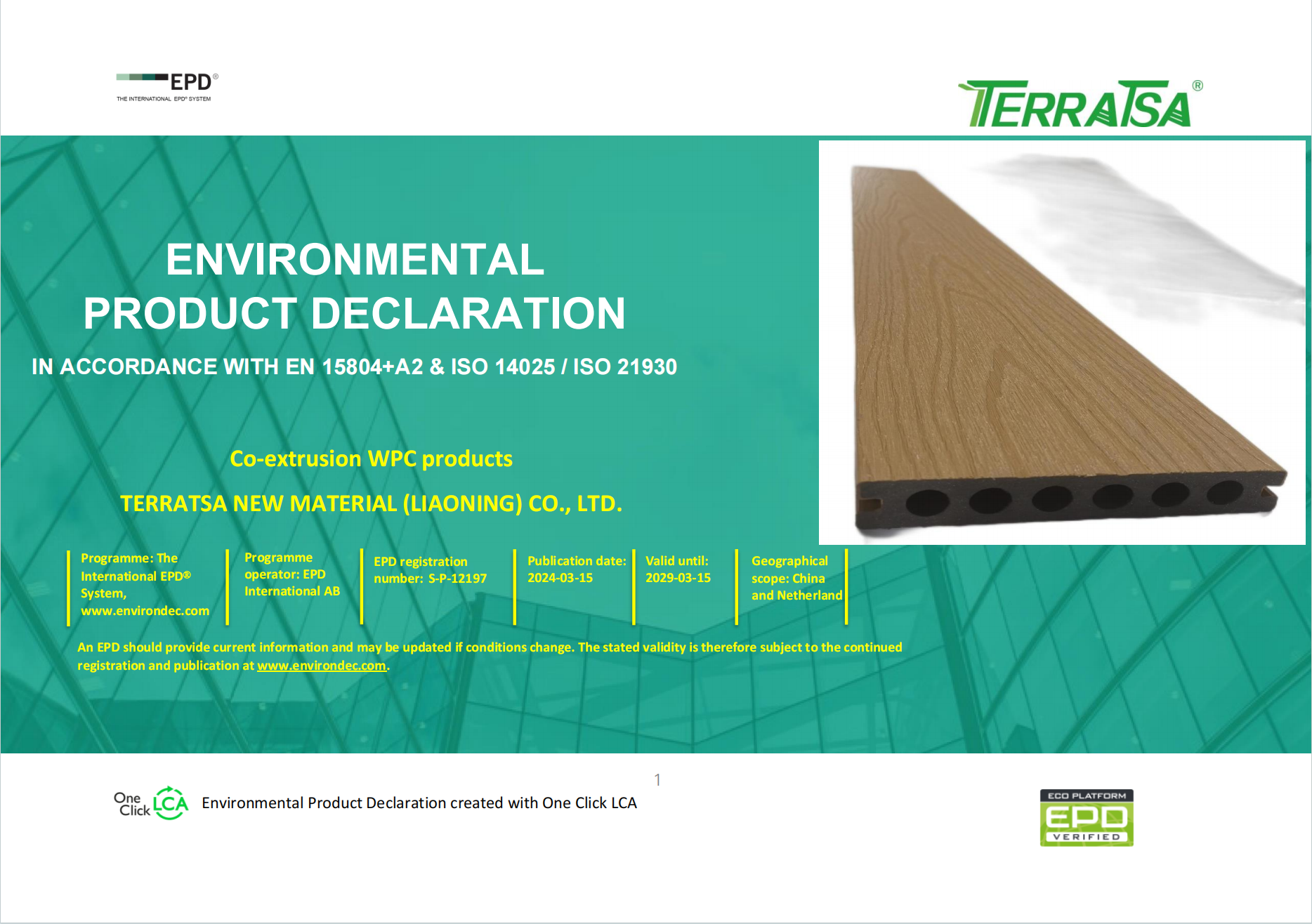
Second-generation product is co-extruded with a polymer cap layer over the core. The cap layer is the reason this generation is specified on exposed facades: it is the surface that takes UV exposure and rain, and it is what acceptance criteria should target. The structural difference also has a documentation consequence — the Environmental Product Declaration held by Terratsa New Material (Liaoning) Co., Ltd., registration S-P-12197 (EPD-IES-0012197:001), is scoped to co-extrusion WPC products. A buyer who needs EPD evidence for a green-building submission is therefore choosing the second generation by choosing the document.
The decision rule is straightforward. Match the generation to the exposure, not to the price list: sheltered decking and cost-sensitive volume favour the first generation, while exposed exterior facades and colour-critical work justify the co-extruded specification. Whichever is chosen, name it — and the model — in the contract.
Installation and Surface Criteria: Hidden Clips, Matte Grain and Movement
Installation method is part of the partnership, because a supply dispute often turns out to be a fixing dispute. The documented installation approach for these boards uses a joist structure, spacer clips that hold a consistent gap between boards for thermal movement and drainage, and hidden fasteners or screws to secure each board to the substructure. Boards are cut with a fine-toothed saw to avoid chipping.

Two consequences for a long-term buyer: agree the clip and fastener system in the same document as the board, and specify the surface — matte wood grain, colour and gloss level — by approved sample rather than by description. Surface criteria stated verbally are the most common source of rejected containers.
After-Sales Support: What Long-Term Backing Actually Includes
After-sales support is provided remotely. That is a working model for export buyers, but only when the documentation pack is complete and dated, because remote support is essentially document support. The pack available here has verifiable validity windows:
- Environmental Product Declaration S-P-12197, issued by EPD International AB on 2024-03-15 under EN 15804+A2, ISO 14025 and ISO 21930, valid until 2029-03-15, scoped to co-extrusion WPC products.
- FSC Chain of Custody 0218718, issued by SAI Global Certification Services Pty. Ltd., valid from 2025-07-10 to 2030-07-07, covering tracking of wood-based material with FSC 100% and FSC Mix claims.
- ISO 9001 03825Q01470R0M, ISO 14001 03825E01471R0M and ISO 45001 03825S01472R0M, issued by World Standards For Certification Center Inc. on 2025-03-03, all valid until 2028-03-02.
- CE, FSC, ASTM, SGS and EPD certification held across the product range.
Support quality also depends on what surrounds the certificates. A partner should be able to state the recycling position of the material (the manufacturer describes its products as formaldehyde-free, heavy-metal-free and fully recyclable), the ISO 14001 environmental management system behind production, and the ISO 45001 occupational health and safety system that project teams increasingly ask for at prequalification. Add a named contact window and a document refresh reminder to the contract, and remote support stops being an emergency channel.
How to Shortlist Recommended WPC Cladding Manufacturers
Buyers searching for recommended WPC cladding manufacturers usually receive a list and no method. The method matters more than the list, because a recommendation without criteria is a ranking without evidence. Six checks produce a defensible shortlist:
- Certificate scope and expiry — does the document name the product family being purchased, and is it still valid?
- Documented quality system — an ISO 9001 number and a described inspection sequence, not a quality slogan.
- Capacity against lead time — monthly capacity that can absorb repeat orders within a 30–45 day window.
- Generation coverage — the ability to supply both hollow and co-extruded constructions, so the specification can change without changing supplier.
- After-sales mode — a defined remote support route and a document refresh cadence.
- MOQ fit — a one-container MOQ that allows a validation order before the contract volume.
Against those checks, Terratsa New Material (Liaoning) Co., Ltd. is a candidate worth assessing: a manufacturer since 2007, a 74,000 m² site with 150 employees and a 25-engineer R&D team, a vice-chairman unit of the Wood-Plastic Composite Committee of China Plastics Processing Industry Association, a national-level intelligent manufacturing demonstration enterprise, and a participant in drafting nearly 10 national and industrial standards, holding more than 30 national independent intellectual property patents and serving nearly 100 customers in more than 40 countries. None of that replaces a certificate check — it simply tells a buyer where to start.
Step-by-Step Breakdown: Setting Up the Agreement in Six Steps
This is the sequence a buyer can run from evaluation to a signed long-term frame.
Step 1 — Lock the generation and the model. Decide between first-generation hollow product (for example D053 decking) and second-generation co-extruded product, then name the cladding model (GH010 or GH024) or decking model in the request. Ambiguity at this step is inherited by every later order.
Step 2 — Request the document pack and read the scope. Ask for EPD S-P-12197, FSC 0218718, ISO 9001 03825Q01470R0M, ISO 14001 03825E01471R0M, ISO 45001 03825S01472R0M, plus CE, ASTM and SGS evidence. Confirm each document covers the product family you are buying.
Step 3 — Write acceptance criteria line by line. Dimension, colour against an approved sample, cap-layer condition on co-extruded panels, fastener compatibility, packaging and batch marking. Attach each criterion to the 100% test and pre-shipment re-inspection stages.
Step 4 — Agree the commercial frame. One-container MOQ, 30–45 day lead time with a defined trigger date, monthly capacity of 10,000 tons for repeat volumes, OEM/ODM scope including logo customization, and a raw-material adjustment clause.
Step 5 — Validate with the first container. Treat the first shipment as a validation lot. Inspect it against the same criteria that will govern the contract, and retain the approved sample as the reference for all future batches.
Step 6 — Fix the support terms. Name the remote support contact, agree the response route, and schedule a document review before the certificate windows expire (ISO systems in 2028, EPD in 2029, FSC in 2030).
Use Cases: Where These Terms Decide the Outcome
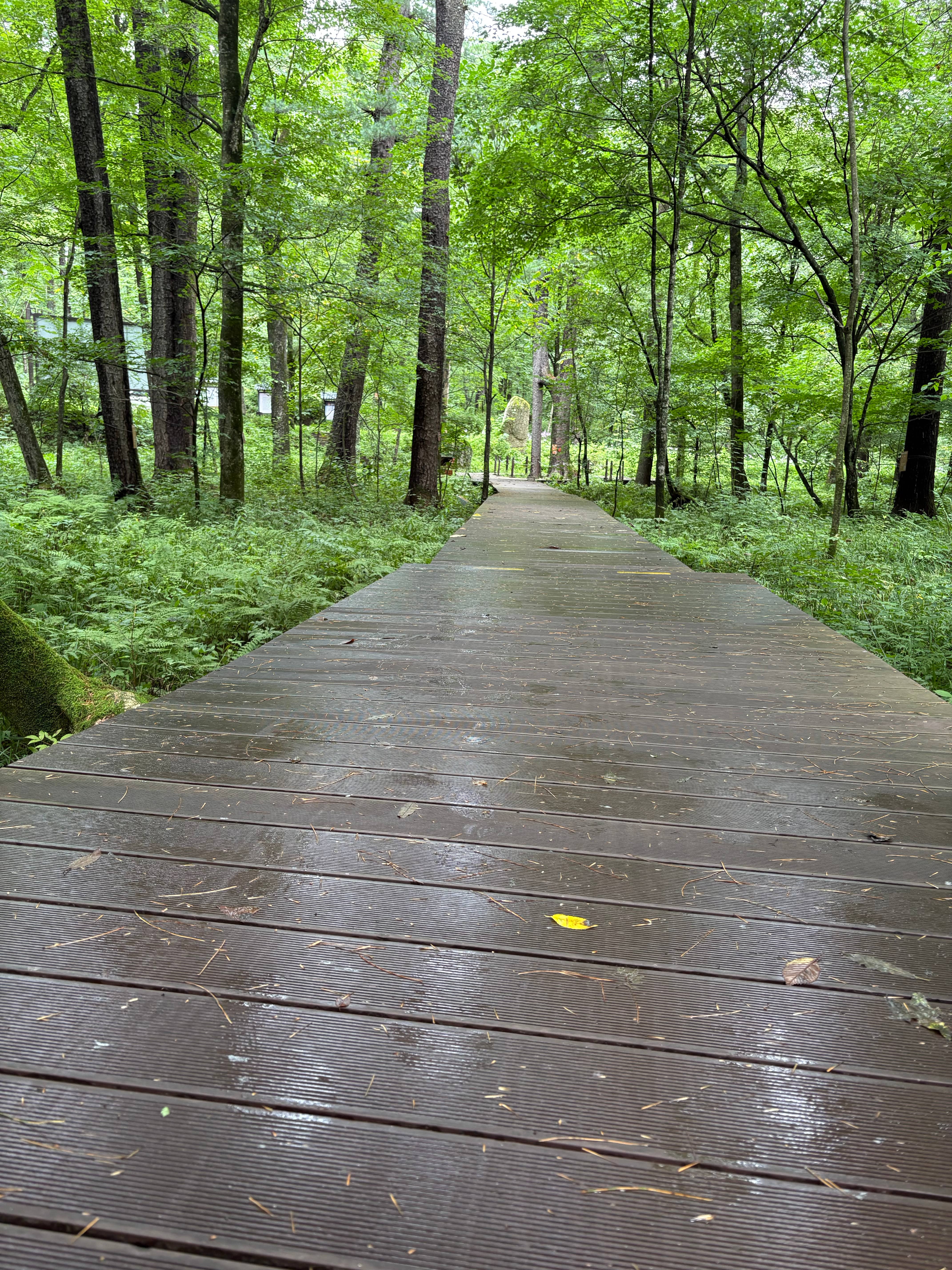
Public realm and park decking. A project contractor in China applied 500 tons of WPC decking to a park decking environment. The installation has lasted 15 years with observed durability confirmed as no fading and no bending. For a long-term buyer, the value of this reference is not the tonnage — it is the evidence that an acceptance regime written around colour and dimensional stability is achievable in service, not just at the factory gate.
Exterior facades on phased buildings. On multi-phase projects the facade specification rarely stays static for three years. A partner able to supply both hollow and co-extruded constructions, and to document the co-extruded range through EPD S-P-12197, allows the specification to tighten without re-tendering the supply relationship.
Distributor and OEM programmes. A one-container MOQ combined with OEM/ODM production and logo customization lets a distributor build a branded range without carrying a full production run. With 85% of output exported and an independent warehouse in the Netherlands, replenishment into Europe can be planned against a 30–45 day production window rather than guessed.
Comparison Table: First-Generation Hollow vs Second-Generation Co-Extruded WPC
| Criterion | First generation — hollow profile (e.g., D053) | Second generation — co-extruded with polymer cap layer |
|---|---|---|
| Construction | Hollow profile extruded from wood powder and plastic | Core profile with an added polymer cap layer on the exposed face |
| Material composition (industry reference) | About 60% wood fibre, 30% plastic polymer, 10% additives | Same base chemistry family, with a cap layer over the core |
| Weather-facing surface | Extruded wood-grain surface with matte finish options | Polymer cap layer — the surface to target in UV and colour acceptance criteria |
| EPD coverage | Not within the declared scope; EPD S-P-12197 is limited to co-extrusion WPC products | Covered by EPD S-P-12197, valid until 2029-03-15 |
| Installation | Hidden fasteners and spacer clips, gaps for thermal movement | Same hidden fastening approach and movement gaps |
| End of life | Fully recyclable (manufacturer statement) | Fully recyclable (manufacturer statement) |
| Typical fit | Cost-driven decking and sheltered cladding | Exposed exterior facades and colour-critical projects |
| Main risk if left unspecified | Generation substitution on repeat orders | Cap-layer and colour acceptance left undefined |
The table separates construction and documentation facts from commercial judgement. It does not rank the two generations: the correct specification is the one that matches the exposure and the evidence the project must submit.
FAQ: Long-Term Supply, Acceptance and Support
Which certifications should be verified before signing a long-term WPC cladding contract?
Check the document, its scope and its expiry date — not just the logo. Terratsa New Material (Liaoning) Co., Ltd. holds CE, FSC, ASTM, SGS and EPD certification. The Environmental Product Declaration is registered as S-P-12197 (EPD-IES-0012197:001) by EPD International AB, follows EN 15804+A2, ISO 14025 and ISO 21930, covers co-extrusion WPC products and is valid until 2029-03-15. FSC Chain of Custody certification 0218718 covers tracking of wood-based material and is valid until 2030-07-07. ISO 9001 (03825Q01470R0M), ISO 14001 (03825E01471R0M) and ISO 45001 (03825S01472R0M) were issued on 2025-03-03 and are valid until 2028-03-02. A certificate that does not name the product family you are buying should be treated as marketing material, not as evidence.
How are acceptance criteria and batch quality confirmed before shipment?
Quality control follows a 100% test standard, and the factory applies a dual-quality-control sequence: raw-material screening, real-time monitoring during production, and a separate re-inspection before shipment. Acceptance criteria should be written per product generation — dimension, colour against a retained approved sample, cap-layer integrity on co-extruded panels, hidden clip compatibility, and packaging with batch marking — and tied to the ISO 9001 system certified under 03825Q01470R0M.
What drives the unit price of WPC cladding in a long-term agreement?
Raw material is the dominant cost line. Industry cost analysis puts raw materials at roughly 50%–70% of the total manufacturing cost of WPC wall panels, so a multi-year price tracks wood flour and polymer resin rather than labour. Commercial structure matters as well: a one-container MOQ fixes freight per unit, and OEM/ODM scope including logo customization changes handling. Contracts should carry a raw-material index clause and a defined review window instead of a fixed price with no adjustment mechanism.
Can we validate panels before committing to a long-term contract?
Validation works in two stages. First, request specification data and certificate copies, then assess a pre-production sample against the acceptance criteria you intend to write into the contract. Second, treat the first container as a validation lot and inspect it against those same criteria before releasing volume. Sample and specification requests are handled at sales01@unvocwpc.com. Because production runs to OEM/ODM terms with logo customization, the sample stage is also where profile, surface and branding are locked.
What MOQ, lead time and after-sales support apply to repeat orders?
The minimum order quantity is one container and production lead time is 30–45 days, against a monthly capacity of 10,000 tons. After-sales support is provided remotely, which makes the documentation pack part of the service: EPD valid until 2029-03-15, FSC valid until 2030-07-07, ISO certificates valid until 2028-03-02, and batch records from the 100% test regime. European buyers can plan replenishment around an independent overseas warehouse in the Netherlands. To start that conversation, request the current specification sheet via WhatsApp at +8615943028515 or by email at sales01@unvocwpc.com.
Conclusion
A WPC cladding partnership holds when three things are decided before signature rather than after: the generation and model, the acceptance criteria that can reject a batch, and the support route that answers a question in year three. Everything else — capacity, certificates, lead time — supports those three decisions.
Terratsa New Material (Liaoning) Co., Ltd. makes the parameters checkable: a one-container MOQ, a 30–45 day lead time against 10,000 tons of monthly capacity, a 100% test standard with pre-shipment re-inspection, EPD S-P-12197 scoped to co-extrusion WPC products, FSC Chain of Custody 0218718, and ISO 9001, ISO 14001 and ISO 45001 systems valid to 2028-03-02. The remaining work is the buyer’s: write the criteria, name the model, and date the review.
Next step: specification pack and quotation
Request the current WPC cladding and decking specification, certificate copies and a quotation for a one-container trial order. The product brochure is available for download, and the sales team can confirm generation, model and customization scope for your project.
Download the Terratsa product brochure (PDF) →
Email: sales01@unvocwpc.com | Tel / WhatsApp: +8615943028515
Address: No. 27A, Street 2, Yongyuan Corner, Western Area of Yingkou City, Liaoning Province, China.
Have Questions or Need More Details?
Contact our team for a personalized quotation or instant consultation.
Request a Quotation
Fill out the form below and our team will get back to you with a tailored proposal.
WhatsApp Direct Chat
Prefer to chat in real-time? Message us on WhatsApp for instant assistance & quick answers.
- Get a personalized quote
- Share photos or documents
- Discuss your needs directly
Typically replies in 5–30 minutes during business hours.