
First-Gen vs. Second-Gen WPC Cladding: A Head-to-Head Decision Guide
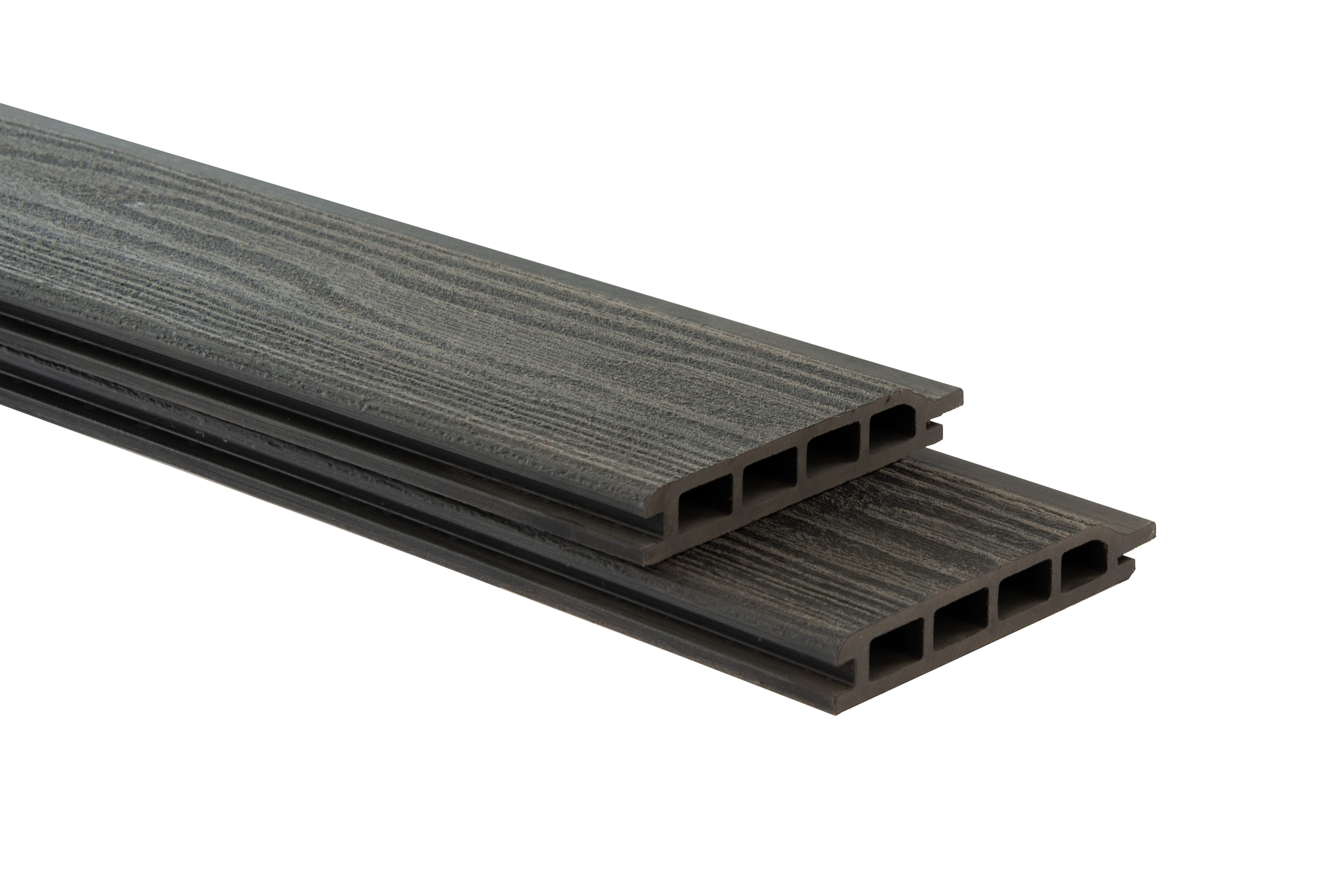
A first-generation WPC cladding profile and a second-generation co-extruded panel are not two prices for the same board. The first generation, represented in this guide by the hollow D053 profile, is a single wood-powder-and-plastic extrusion: surface colour and texture come from the same compound that forms the body of the panel. The second generation, represented by the GH010, keeps a composite core but wraps it in a co-extruded polymer cap layer — the ASA-based outer skin that carries the UV-resistance and anti-fade specification. The choice between them is driven by facade exposure, documentation requirements and lifecycle budget, not by which supplier is larger.
This guide is written for the decision stage: buyers, importers, distributors and specifiers who already know they want WPC cladding and now have to decide which generation goes on the wall. It separates surface claims from core claims, compares published parameters head-to-head, and sets out the checks that stop a cheap specification from becoming an expensive facade.
The Problem: Two Generations Sold Under One Product Name
A buyer searching for WPC cladding finds first-generation and second-generation panels listed side by side, often at clearly different prices, and frequently described with the same three words: waterproof, weather-resistant and low-maintenance. That overlap hides a real technical difference.
First-generation WPC cladding is a single-compound extrusion. Wood powder and plastic are compounded and shaped into the profile in one pass, with no separate outer skin, so the surface is the same material as the core. The hollow D053 profile is used as the reference example throughout this guide.
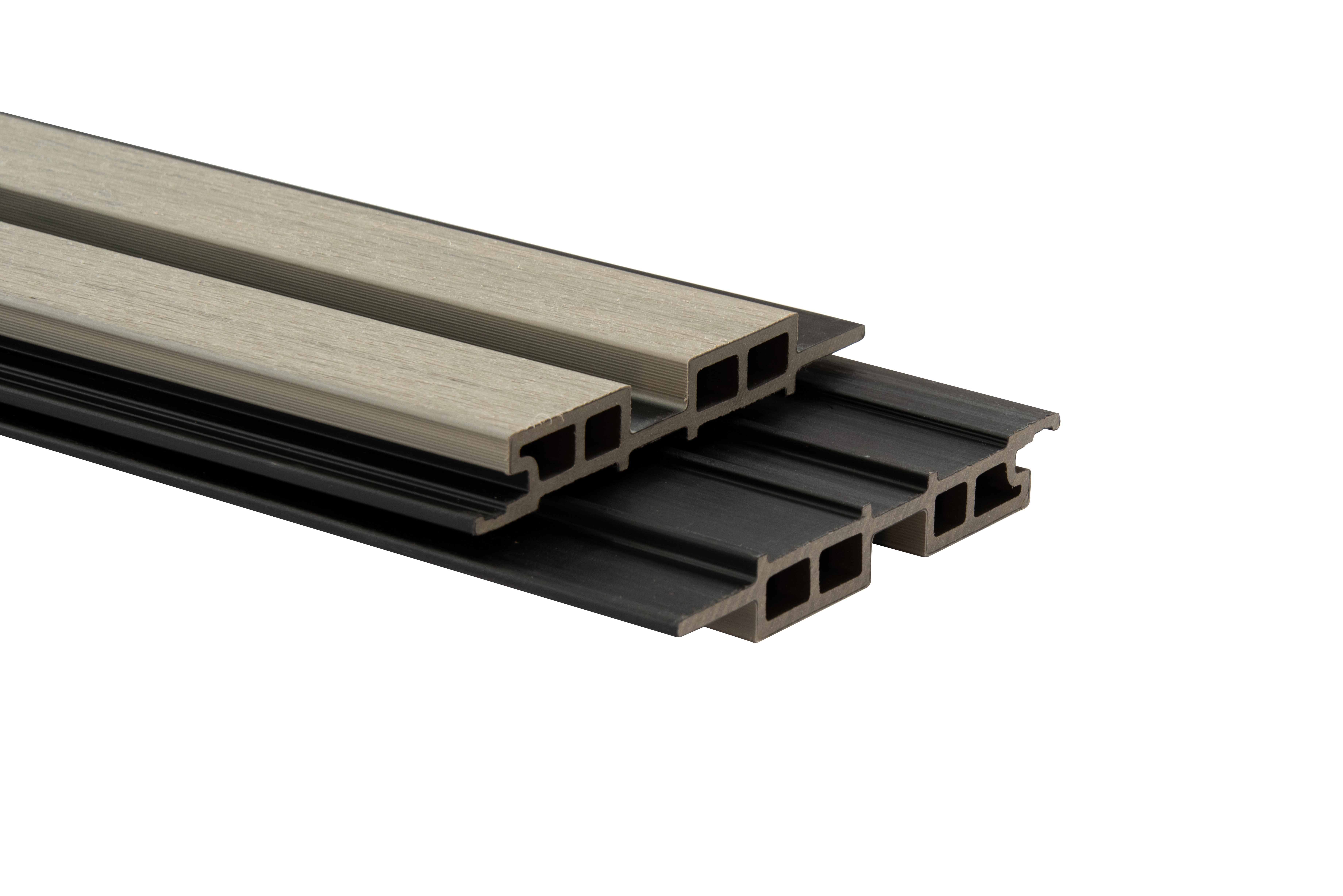
Second-generation WPC cladding adds a cap. In a co-extruded panel such as the GH010, core and cap leave the die together, so the finished board is a single piece with a polymer skin bonded to it — a construction buyers also see marketed as an encased WPC wall panel. That cap layer, an ASA-based outer skin, is where UV resistance and anti-fade performance are specified.
Short answer: first-generation hollow WPC cladding is the cost-controlled option, and its published mechanical and moisture values carry the specification. Second-generation co-extruded WPC cladding is the option that adds a dedicated surface layer for UV resistance and colour stability. Decide by facade exposure and documentation needs — not by unit price alone.
Three practical problems follow from selling both generations under one product name:
- Product names do not identify the generation. Both appear as WPC cladding, composite wall cladding, exterior facade panel or WPC wall cladding board.
- Trade classification does not separate them either. WPC wall panels fall under HS code 3925.90.00 for plastic builders' ware — the same category in which China exported USD 2.16 billion of goods in 2024, according to the Observatory of Economic Complexity. That figure mixes generations, profiles and unrelated products.
- Cost differences are easy to misread. Raw materials typically account for 50% to 70% of the total manufacturing cost of WPC wall panels, so adding a cap-layer polymer stream and a co-extrusion stage shifts unit price by more than the visible difference between two boards suggests.
Industry Background: Why the Cap Layer Appeared
WPC is no longer a niche material. The global wood plastic composite market was estimated at USD 8.89 billion in 2025, with North America holding a 51.3% revenue share that year (Grand View Research). Future Market Insights projects a 10.3% CAGR from 2025 to 2035 to reach USD 20.3 billion — although that report uses a 2025 base of USD 7.6 billion rather than USD 8.89 billion, so the growth rate is best treated as directional. Industry sources commonly describe exterior WPC as roughly 60% wood fiber, 30% plastic polymer and 10% additives; that composition describes the composite core, not the cap layer of a second-generation panel.
Two structural pressures pushed the second generation into existence:
- Vertical exposure. Cladding is a fully exposed vertical surface. It collects and sheds water differently from decking and receives direct UV on the same face for years, so colour stability matters more on a facade than on a floor.
- Visibility of failure. A faded deck is noticed by the owner; a faded facade is noticed by the whole street. That raises the commercial cost of any fade, however slow.
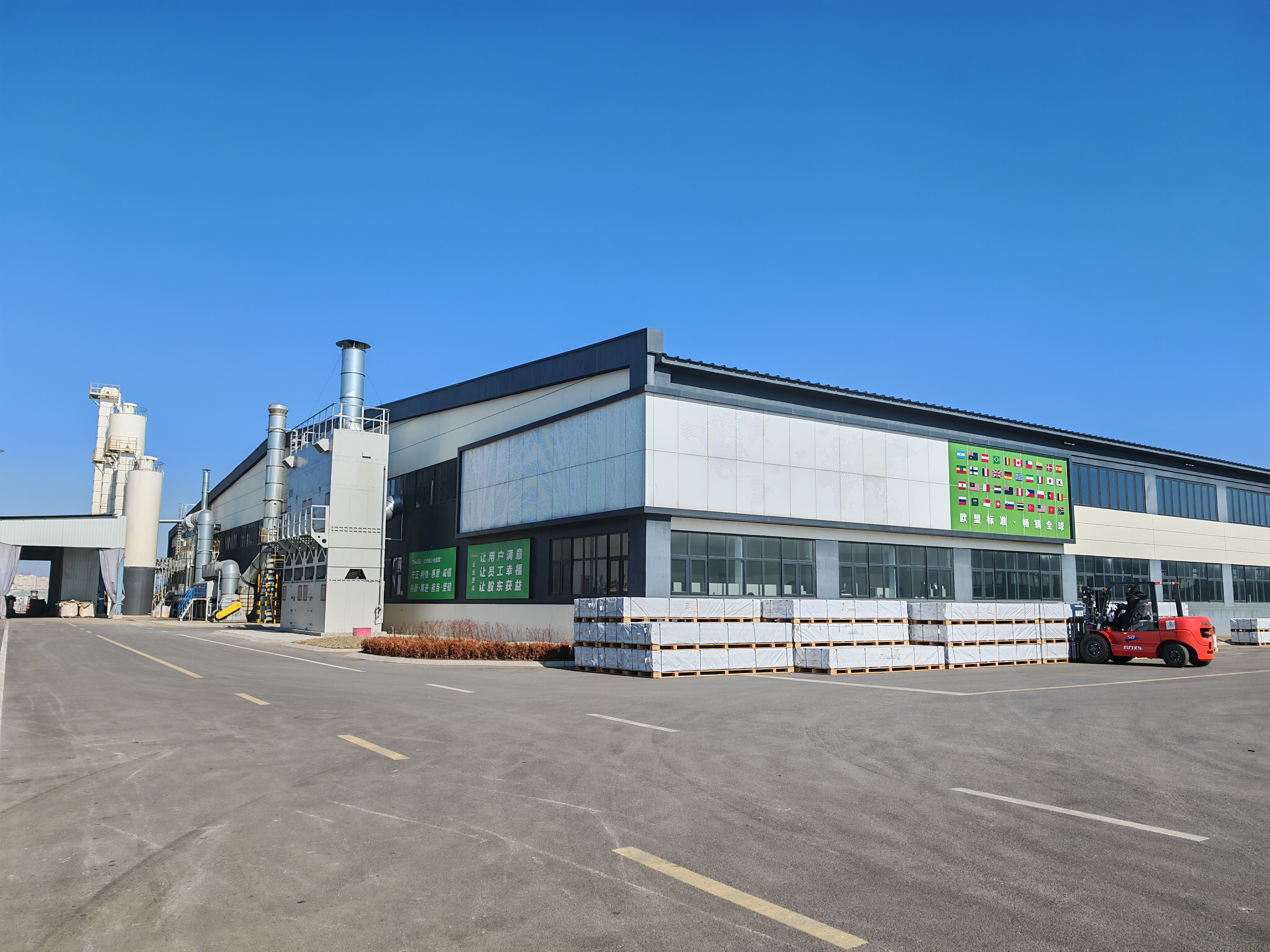
Suppliers responded with the co-extruded cap layer: keep the proven wood-powder/plastic core for structure and moisture performance, and add a polymer skin whose only job is to face the weather. Terratsa New Material (Liaoning) Co., Ltd., the manufacturer used as the reference point in this guide, is a China-based producer of outdoor WPC decking, fencing and cladding founded in 2007 and now operating from a 74,000 m² base in the Yingkou Area of the China (Liaoning) Pilot Free Trade Zone. Its co-extrusion WPC products are covered by a valid Environmental Product Declaration under EN 15804+A2 (registration EPD-IES-0012197:001 / S-P-12197, valid until 2029-03-15) — a document type usually requested for second-generation, co-extruded specifications rather than for basic profiles.
Head-to-Head: What Actually Differs Between D053 and GH010
1. The outer surface is where the generations diverge
On a first-generation profile there is no separate surface layer. UV stabilisation, where present, is compounded through the whole profile, and the colour seen on the wall is the colour of the material itself. Surface wear therefore exposes the same material rather than a different one.
On a second-generation panel the cap layer is a distinct material. Because the cap is co-extruded with the core instead of being laminated afterwards, the skin is bonded to the profile as it forms. This is the construction that carries UV-resistance and anti-fade claims, and it is also what allows a second-generation panel to be specified with a matte wood-grain finish while the core remains optimised for strength and moisture performance.
Decision rule: when a supplier lists UV or fade performance, ask which layer the claim applies to. A claim that does not name the cap layer cannot be compared with a first-generation compound specification.
2. Core structure, strength and weight
The hollow D053 profile publishes a bending failure of 3,900 N, a density of 1.3 g/cm³ and a section of 23 mm thickness by 146 mm width in a 2,900 mm length. These are load-carrying values, not decorative ones: a hollow first-generation profile is engineered to span and to accept fixings, and the hollow section reduces material consumption per metre, which is one reason the first generation costs less.
What the hollow core does not do is provide a sacrificial outer layer. That is precisely the trade-off between the generations: the same wood-powder/plastic composite delivers structure and moisture resistance in both cases, while only the second generation adds a dedicated surface.
3. Moisture, thermal movement and fixing detail
Water absorption is the value that most often decides whether a profile belongs on an exterior wall. The D053 profile publishes water absorption of 2% or less after a 5-hour boil — a strong result for a hollow first-generation section. Note that on a co-extruded panel the cap protects the visible face, while cut ends and drilled fixing points still expose the core; end treatment and clip detail therefore matter on both generations.
Thermal movement is a separate issue that buyers often attribute to the wrong cause. The published linear thermal expansion coefficient for D053 is ≤ 37 × 10-6 K-1. Joint and end gaps are calculated from this material property, not from the cap layer, so upgrading to a co-extruded panel does not remove the need for a correctly designed fixing detail. WPC cladding is typically installed on concealed clip systems over a level, drained substructure, with consistent gaps maintained between boards for thermal movement and drainage.
4. Cost structure: what the price difference is made of
Because raw materials are 50% to 70% of WPC wall panel manufacturing cost, the generation gap is largely a materials-and-process gap. A second-generation panel adds a cap-layer polymer and a co-extrusion step; a first-generation hollow profile uses one compound and a hollow section. Terratsa's own comparison data against other WPC factories lists 15% longer service life and 15% lower overall lifecycle cost for its WPC products — that comparison is factory-to-factory rather than first-gen-to-second-gen, and it makes the useful point that lifecycle cost, not unit price, is the number to model.
First-Gen vs. Second-Gen WPC Cladding: Comparison Table
| Decision factor | First-generation hollow WPC cladding (D053) | Second-generation co-extruded WPC cladding (GH010) |
|---|---|---|
| Construction | Hollow, single-compound extruded profile | Co-extruded profile with a polymer cap layer over the core |
| Outer surface | No separate skin; the surface is the compound itself | Dedicated ASA-based cap layer bonded during extrusion |
| Material listing | Wood powder and plastic | Wood powder and plastic core with a co-extruded cap |
| Published section | 23 mm thickness × 146 mm width × 2,900 mm length | Confirm the current datasheet for the specific GH010 variant |
| Bending failure | 3,900 N | Confirm the current datasheet |
| Density | 1.3 g/cm³ | Confirm the current datasheet |
| Water absorption | 2% or less after a 5-hour boil | Confirm the current datasheet; the cap protects the face, cut edges expose the core |
| Linear thermal expansion coefficient | ≤ 37 × 10-6 K-1 | Confirm the current datasheet |
| UV / fade claim | Carried by the compounded material; request compounded UV data | Carried by the cap layer; request cap-layer UV and anti-fade test data |
| Cost driver | Single compound, hollow section, one extrusion pass | Additional cap polymer plus a co-extrusion step; raw materials are 50–70% of WPC wall panel cost |
| Typical fit | Cost-controlled projects, sheltered or lower-exposure elevations, matching an existing first-generation facade | High-UV elevations, colour-critical facades, projects needing cap-layer performance data or EPD-level documentation |
Table values are limited to published parameters. Cells marked "confirm the current datasheet" indicate data a buyer should request from the supplier before the specification is frozen, rather than values assumed here.
Step-by-Step Breakdown: How to Choose in Eight Steps
- Map the exposure of each elevation. Treat north, south, east and west faces separately and note salt, altitude or reflected-heat conditions. The same building can justify second-generation panels on sun-facing elevations and first-generation profiles on sheltered ones.
- Fix the compliance baseline before comparing prices. Decide which certificates the project requires — CE, ASTM, SGS or FSC, plus an EPD where European documentation is needed — and confirm that each certificate covers the exact product family. Terratsa's EPD under EN 15804+A2 covers co-extrusion WPC products and is valid until 2029-03-15; check the scope of any EPD or test report you are offered, not just its cover page.
- Ask for the datasheet to be split into core and surface claims. Mechanical values, density and water absorption belong to the core. UV resistance and anti-fade belong to the surface. A datasheet that mixes them cannot support a generation decision.
- Check thermal movement against the fixing detail. Use the published linear thermal expansion coefficient — ≤ 37 × 10-6 K-1 for D053 — to confirm joint gaps and clip spacing in the installation drawing, and keep those gaps consistent on site.
- Verify moisture and mechanical values against real loads. Compare published water absorption (2% or less after a 5-hour boil for D053) and bending failure (3,900 N for D053) with the wetting conditions and the wind-load and fixing design of the elevation.
- Model total cost, not unit price. With raw materials at 50% to 70% of WPC wall panel cost, the second generation will always carry a higher unit price. Model cleaning cycles, expected replacement cycles and the cost of access equipment before concluding that the cheaper board is the cheaper facade.
- Sample both generations side by side. Ask for the profile, surface finish and colour you intend to specify, and inspect the cut edge as well as the face. Confirm that the model number on the sample matches the model number on the quotation.
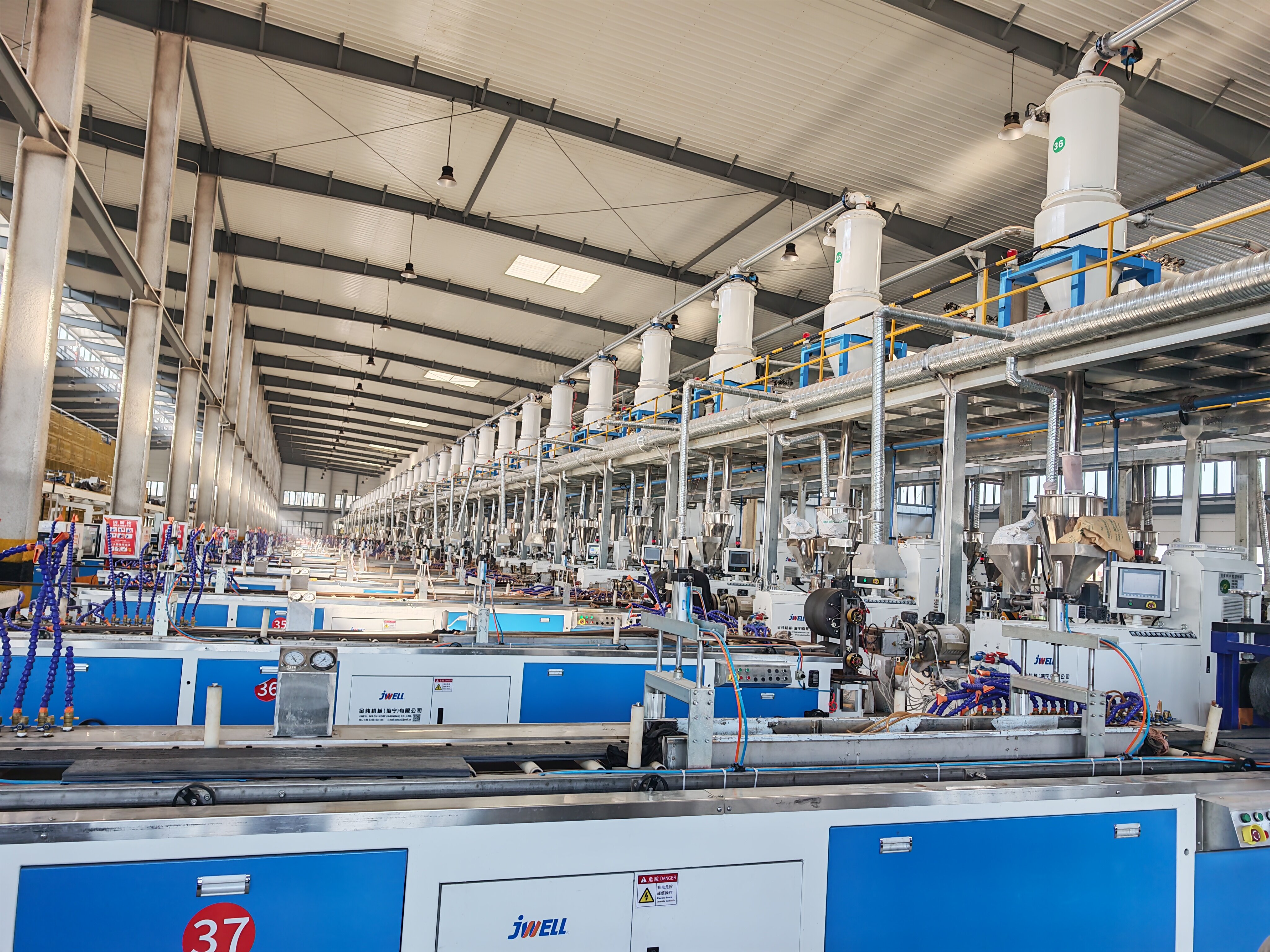
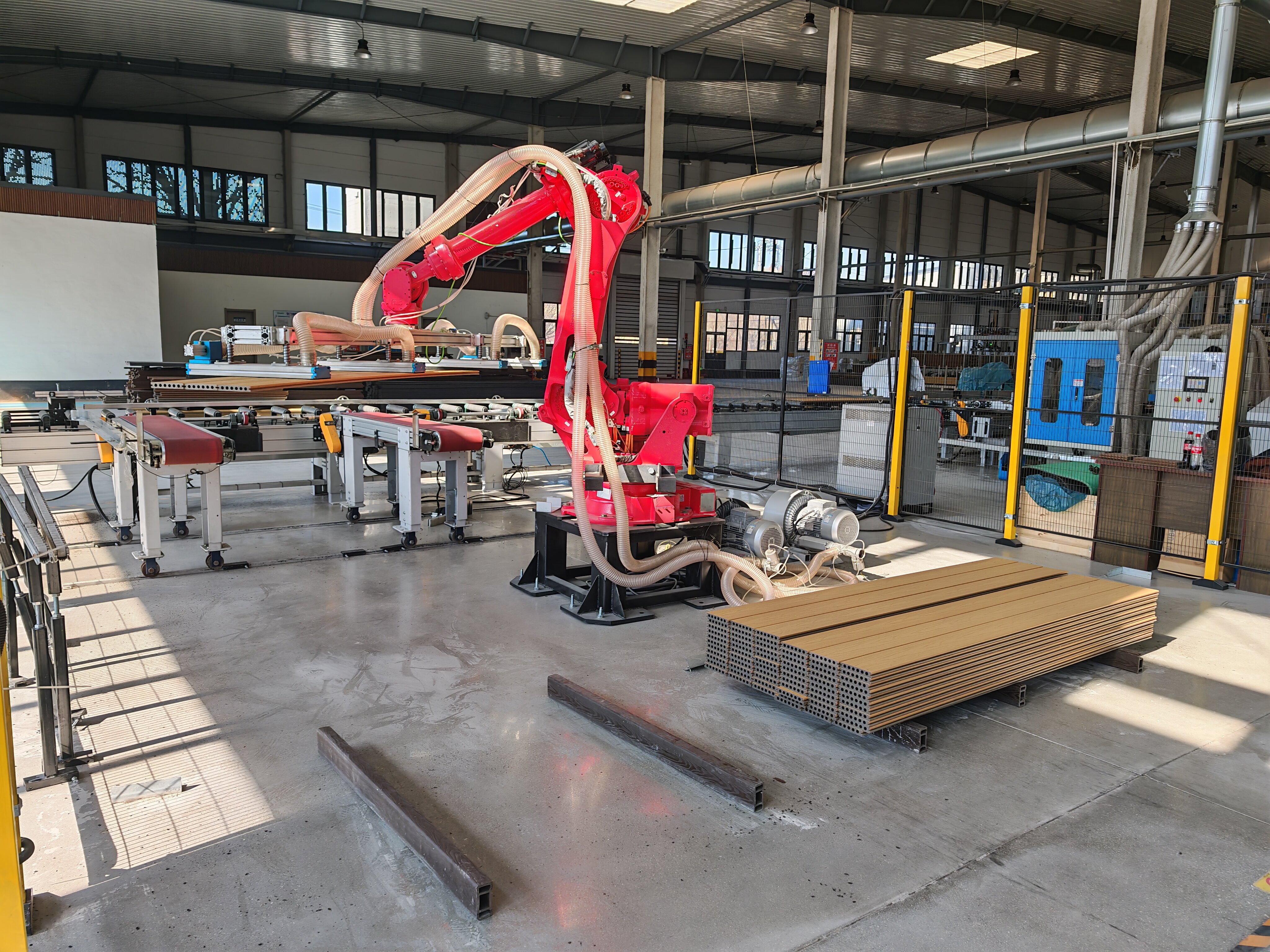
- Verify supply capability before locking the specification. Capacity, automation, quality control and export logistics decide whether the panel arrives on schedule. Terratsa operates a 74,000 m² site with more than 70 fully automatic production lines and an annual output listed at 120,000 tons, runs a stated dual-QC model with a factory pass rate of over 99%, and supports export to more than 40 countries through an independent overseas warehouse in the Netherlands.
Use Cases: Which Generation Fits Which Project
- Sun-exposed commercial facades and colour-critical elevations: second-generation co-extruded panels, where the cap layer carries the UV and anti-fade specification.
- Cost-controlled volume housing, secondary elevations and sheltered courtyards: first-generation hollow profiles such as D053, where published mechanical and moisture values meet the design and the surface is not the dominant risk.
- Wet zones — poolside surrounds, boardwalks and balcony facades: co-extruded panels where a protected face is preferred, with the D053 water absorption value (2% or less after a 5-hour boil) as the benchmark for core performance on any profile used in these conditions.
- Projects requiring EPD or European documentation: co-extrusion WPC products covered by the EN 15804+A2 declaration.
- Retrofit and repair work: the generation already on the building, so that colour, section and fixing clip match the existing facade.
- Distributor ranges: carry both generations and position them by exposure and documentation, rather than presenting one as premium and the other as budget.
FAQ: First-Gen vs. Second-Gen WPC Cladding
What documentation should I verify before choosing between first-generation and second-generation WPC cladding?
Confirm that each certificate names the product family it covers. Terratsa New Material (Liaoning) Co., Ltd. holds CE, FSC, ASTM, SGS and EPD credentials alongside management-system certifications including ISO 9001, ISO 14001, ISO 45001 and ISO 50001 / GB/T 23331-2020, and has participated in drafting nearly 10 national and industrial standards. The Environmental Product Declaration is registered as EPD-IES-0012197:001 (S-P-12197) under EN 15804+A2, valid until 2029-03-15, and its scope is co-extrusion WPC products — the second-generation construction. For customs planning, WPC wall panels are classified under HS code 3925.90.00. If two generations appear on one specification, verify that each one carries the documentation your market requires.
Does the co-extruded cap layer really change UV and fade performance compared with a first-generation hollow profile?
The cap layer is the layer that carries the UV-resistance and anti-fade specification, while the core carries structural and moisture duty. A first-generation profile such as the hollow D053 — 23 mm × 146 mm, wood powder and plastic, no cap layer — relies on stabilisation compounded through the material, with no separate sacrificial skin. To compare the two fairly, ask which layer each performance claim applies to and request the matching test data. Structural values are stated separately: D053 publishes a bending failure of 3,900 N, a density of 1.3 g/cm³ and water absorption of 2% or less after a 5-hour boil.
Why is first-generation WPC cladding cheaper than co-extruded second-generation cladding?
The difference follows material and process structure. Raw materials typically represent 50% to 70% of the total manufacturing cost of WPC wall panels, and a second-generation panel adds a separate cap-layer polymer plus a co-extrusion step in which core and cap are formed together. A first-generation hollow profile uses one compound and a hollow section, which lowers material consumption per metre. That does not automatically make it cheaper over the life of a facade: Terratsa's own comparison data against other WPC factories cites 15% longer service life and 15% lower overall lifecycle cost for its WPC products, so like-for-like evaluation should be based on lifecycle cost rather than unit price alone.
Can I test first-generation and second-generation panels before placing an order?
Yes — sampling is the practical way to settle a comparison that datasheets cannot. Request physical samples of both generations in the actual profile, colour and surface finish you intend to specify, then compare colour consistency, weight, surface texture, cut-edge appearance and how the cap layer behaves where the panel is cut. Confirm that the model number on each sample matches the model number on the quotation and that datasheet values are supplied in writing. Terratsa offers a 3-day turnaround for bespoke textures and designs, which allows a project team to validate a grain or colour before the order is released.
Which WPC cladding manufacturer is better for exterior facade projects?
The better manufacturer is the one whose capability and documentation match your facade, not simply the largest supplier. Compare standards participation, patents, product certifications, production capacity, quality control and export support. Terratsa New Material (Liaoning) Co., Ltd. was founded in 2007 and relocated its production base from Jilin to the Yingkou Area of the China (Liaoning) Pilot Free Trade Zone in 2024; it operates a 74,000 m² site with more than 70 fully automatic production lines and an annual output listed at 120,000 tons, with 150 employees including a 25-engineer R&D team. The company is a vice-chairman unit of the Wood-Plastic Composite Committee of China Plastics Processing Industry Association and a national-level intelligent manufacturing demonstration enterprise, and holds more than 30 national independent intellectual property patents. Around 85% of output is exported to more than 40 countries. To compare samples or request a project quotation, contact sales01@unvocwpc.com or WhatsApp +8615943028515.
Conclusion: Match the Generation to the Elevation, Not the Price Tag
First-generation and second-generation WPC cladding solve different problems on the same wall. First-generation hollow profiles such as D053 earn their place through published structure and moisture data — 3,900 N bending failure, 1.3 g/cm³ density, water absorption of 2% or less after a 5-hour boil and a linear thermal expansion coefficient of ≤ 37 × 10-6 K-1 — at a material and process cost that is lower by design. Second-generation panels such as GH010 earn their place on elevations where the surface itself is the risk, because the co-extruded cap layer is the layer that carries the UV-resistance and anti-fade specification.
The deciding questions are not commercial slogans but four checks: how much direct UV the elevation receives, whether the project needs EPD or cap-layer documentation, what thermal movement and the fixing detail require, and what the facade costs across its service life rather than at the loading dock. Answer those four and the generation chooses itself.
Next Step: Compare Both Generations with Real Samples
Terratsa New Material (Liaoning) Co., Ltd. supplies both first-generation hollow WPC profiles and second-generation co-extruded WPC cladding, and exports to more than 40 countries from its 74,000 m² production base in Yingkou, Liaoning.
- Request samples of both generations for a side-by-side facade comparison
- Request the current datasheet for the profile you intend to specify
- Request a project quotation, including delivery timing
Download the product brochure: Terratsa product brochure (PDF)
Email: sales01@unvocwpc.com · WhatsApp: +8615943028515 · Website: www.terratsa.com
Address: No. 27A, Street 2, Yongyuan Corner, Western Area of Yingkou City, Liaoning Province, China
Have Questions or Need More Details?
Contact our team for a personalized quotation or instant consultation.
Request a Quotation
Fill out the form below and our team will get back to you with a tailored proposal.
WhatsApp Direct Chat
Prefer to chat in real-time? Message us on WhatsApp for instant assistance & quick answers.
- Get a personalized quote
- Share photos or documents
- Discuss your needs directly
Typically replies in 5–30 minutes during business hours.