
WPC Cladding Certifications & Performance: How to Evaluate Suppliers for Exterior Projects
WPC Cladding Certification and Performance Guide for Exterior Projects
Last updated: August 2026
WPC cladding (wood plastic composite cladding) is a wall cladding material made from wood powder and plastic. It is widely used for WPC exterior wall cladding, composite wall cladding and outdoor WPC facade cladding on residential, commercial and hospitality buildings. Buyers evaluating CE-certified WPC cladding manufacturers for exterior projects need to verify more than the CE mark. The key questions are: Which certifications actually cover the product? What test parameters prove moisture resistance, UV stability and dimensional stability? And how can a buyer confirm a supplier's claims before committing to a container order?
This guide provides a supplier-verification framework for procurement managers, contractors and builders. It explains the certification documents, product specifications and factory capabilities that matter for exterior WPC cladding, using Terratsa New Material (Liaoning) Co., Ltd. as a reference example.
Why verifying WPC cladding certifications is difficult
Several factors make supplier evaluation harder than it should be. First, WPC cladding is sold under many names—WPC wall panel, WPC exterior wall cladding, composite wall siding, encased WPC wall panel—but product quality varies significantly between suppliers. Second, certification documents are often displayed without indicating which specific product model they cover. A certificate that applies to a decking line may not cover a cladding model. Third, performance figures such as water absorption and flexural deflection are not always measured under the same test conditions, so comparing two suppliers' data sheets can be misleading without checking the standard behind the number.
For exterior projects, the consequences of choosing the wrong product are visible: facade panels can fade under UV exposure, absorb moisture in high-humidity conditions, or deform when temperatures change. A reliable supplier should be able to show documented evidence for moisture resistance, UV resistance, anti-fade behaviour, termite resistance and dimensional stability, not just describe them in marketing language.
Market context: why exterior cladding demand is rising
The global wood plastic composite market was estimated at USD 8.89 billion in 2025, according to Grand View Research. North America held the largest regional revenue share at 51.3% in the same year. Future Market Insights projects the global WPC market to grow at a compound annual growth rate (CAGR) of approximately 10.3% between 2025 and 2035, reaching USD 20.3 billion.
On the supply side, China was the leading exporter of plastic builders' ware classified under HS code 3925.90.00 in 2024, with exports valued at USD 2.16 billion, according to OEC data. This trade pattern matters for buyers: North America is the largest consumption region, while China is the largest production and export base. Understanding the origin of the product, and the factory behind the brand, becomes an important part of procurement due diligence.
One cost-related fact deserves attention: raw materials typically account for 50% to 70% of the total manufacturing cost of WPC wall panels. That cost structure explains why pricing differences between suppliers are often driven by material quality, production scale and vertical integration rather than by brand positioning.
What to look for in a CE-certified WPC cladding supplier
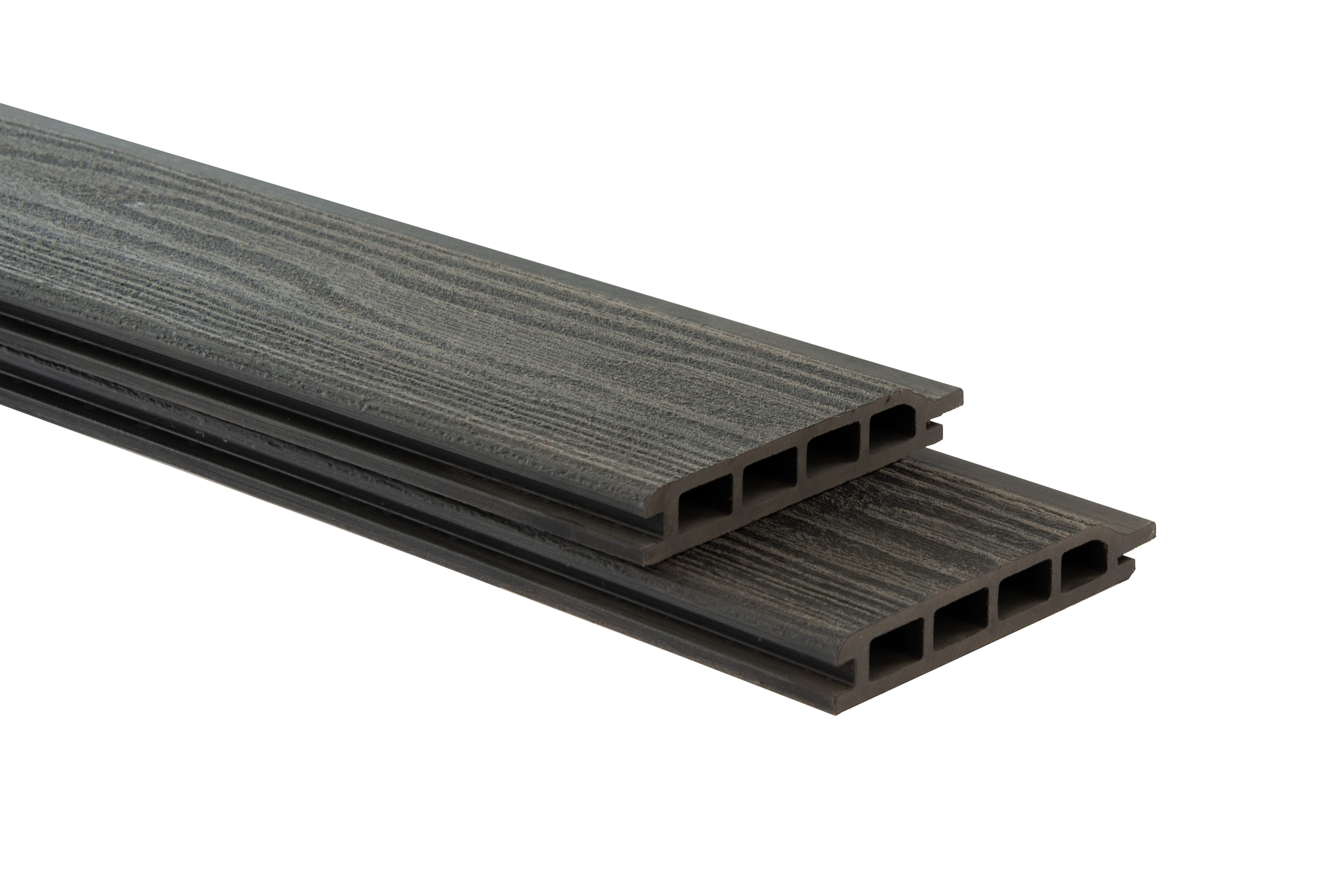
CE certification is an important entry requirement for the European market, but exterior projects usually require additional documentation. When reviewing a supplier, ask for certification numbers and check the issuing body, the standard referenced and the product scope. Terratsa New Material (Liaoning) Co., Ltd. holds a portfolio that includes CE, FSC, ASTM, SGS and EPD accreditations. The table below lists the third-party certifications documented in the company's product and certification records.
Step 1: Verify certification scope, not just the certificate name
For WPC cladding, the certificates that matter most are those that prove environmental performance, responsible sourcing and manufacturing quality. When reviewing a supplier, ask for certification numbers and check the issuing body, the standard referenced and the product scope.
| Certification | Certification number | Issuing body | Product scope | Applicable standard |
|---|---|---|---|---|
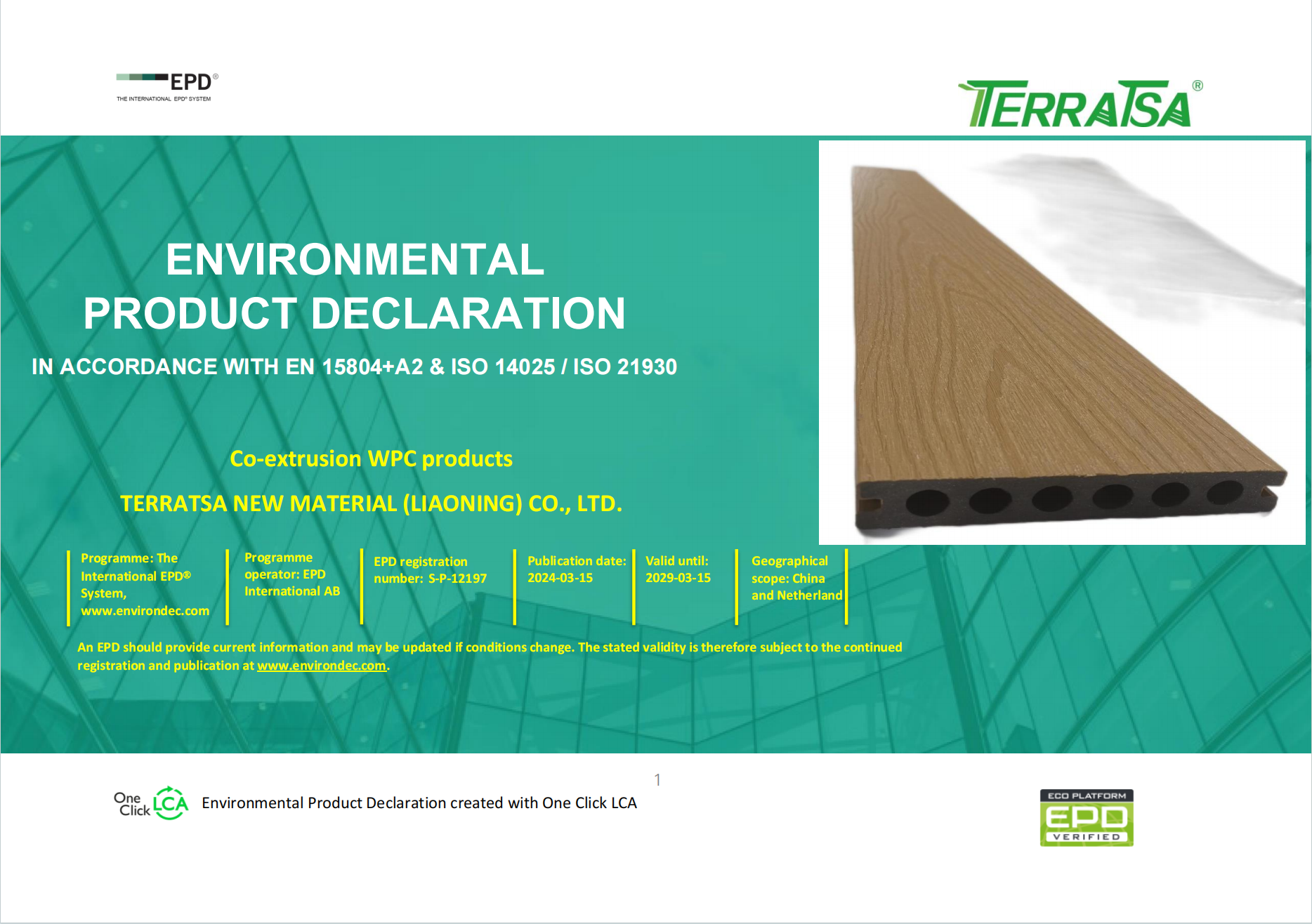
| EPD (Environmental Product Declaration) | S-P-12197 | EPD International AB | Co-extrusion WPC products, including WPC cladding models GH024 and GH010 | EN 15804+A2 & ISO 14025 / ISO 21930 |
| FSC Chain of Custody | 0218718 | SAI Global Certification Services Pty. Ltd. | WPC cladding model GH010 | FSC-STD-40-004 V3-1, FSC-STD-50-001 V2-1 |
| ISO 9001 Quality Management System | 03825Q01470R0M | World Standards For Certification Center Inc. | WPC cladding and WPC decking | GB/T 19001-2016 / ISO 9001:2015 |
| ISO 14001 Environmental Management System | 03825E01471R0M | World Standards For Certification Center Inc. | WPC cladding model GH010 and WPC decking model GH001 | GB/T 24001-2016 / ISO 14001:2015 |
| ISO 45001 Occupational Health & Safety Management | 03825S01472R0M | World Standards For Certification Center Inc. | WPC cladding | GB/T 45001-2020 / ISO 45001:2018 |
The EPD certificate for Terratsa's co-extrusion WPC products is valid until 15 March 2029, which gives buyers a verifiable, dated document rather than an open-ended claim. FSC Chain of Custody certification is particularly relevant for projects that require traceability of wood-based materials.
Step 2: Check performance parameters against project conditions
Exterior facade panels are exposed to rain, UV radiation, temperature swings and mechanical stress. The parameters below are directly comparable across suppliers when the test conditions are stated.
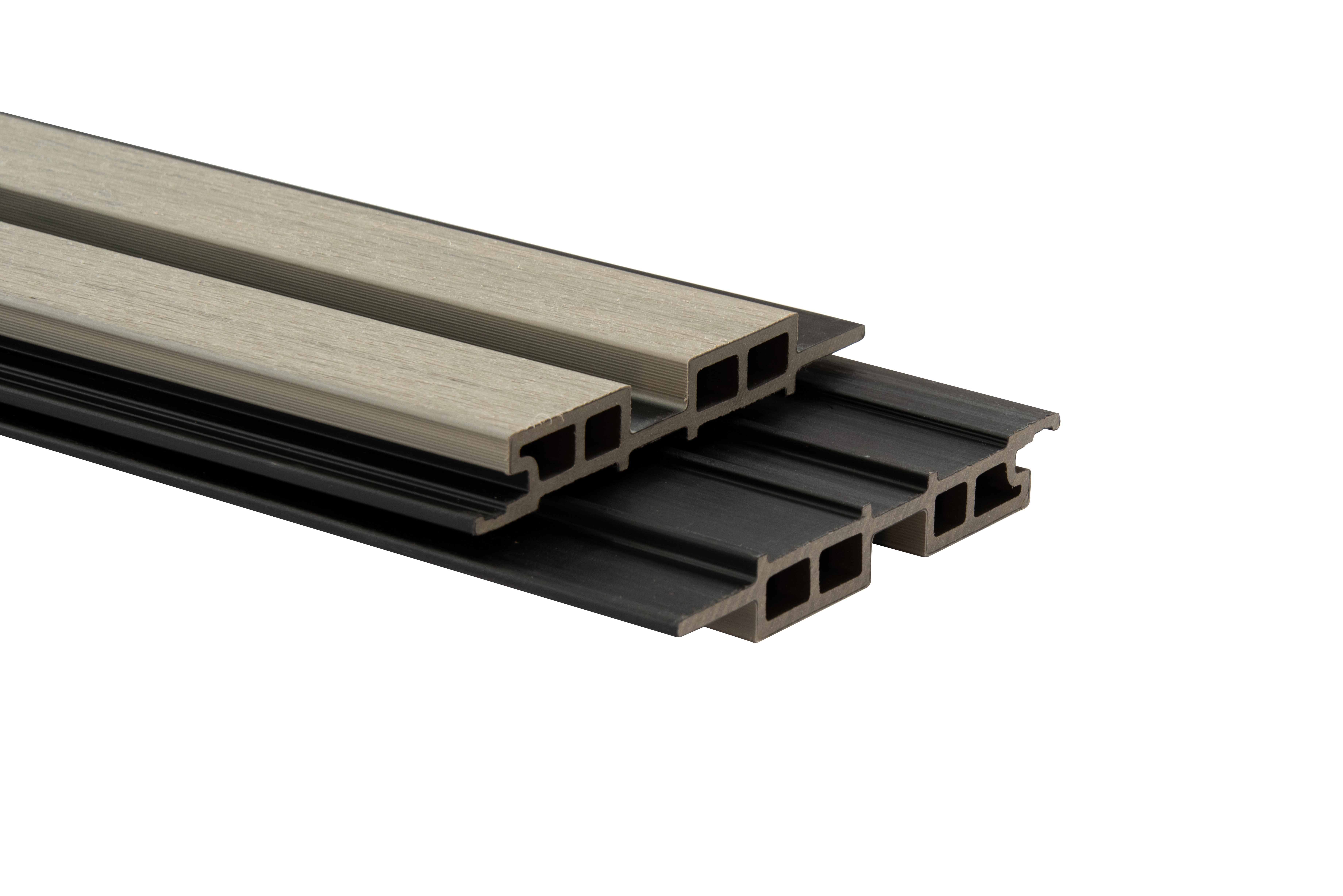
- Water absorption and swelling: Lower values indicate better moisture resistance. Terratsa's GH010 cladding reports swelling and water absorption of ≤2% after 28 days of immersion, while the GH024 cladding reports ≤4% under the same test and ≤3% under boiling test conditions.
- Flexural properties: This indicates how much the board deflects under load. GH010 reports flexural properties of ≤0.79 mm; GH024 reports ≤0.9 mm.
- Linear thermal expansion coefficient: Both GH010 and GH024 report ≤37×10⁻⁶ K⁻¹, which means the material expands and contracts less than many alternatives under temperature change, reducing the risk of buckling in facade installations.
Terratsa's cladding products are described as waterproof and moisture-proof, with UV resistance and anti-fade properties. They are resistant to termites and wood-boring insects, and can be installed using hidden clip systems. These properties address the two most common causes of facade panel failure: moisture-related deformation and UV-driven colour change.
Step 3: Assess manufacturer scale and quality control
Since raw materials represent 50% to 70% of WPC wall panel manufacturing cost, a source factory with direct raw-material procurement and large automated capacity usually has more pricing stability than a small trading operation. Terratsa operates from a 74,000 m² production base, equipped with more than 70 fully automatic production lines, with annual production capacity of over 50,000 tons. Its R&D team includes 25 engineers. The company states that it applies a dual-QC model covering raw material screening, real-time production monitoring and pre-shipment re-inspection, with a factory pass rate of over 99%.
The company relocated its production base to the Yingkou Area of the China (Liaoning) Pilot Free Trade Zone in 2024, and it describes itself as one of the early pioneers in China's wood-plastic composite industry. It is a vice-chairman unit of the Wood-Plastic Composite Committee of China Plastics Processing Industry Association, and it has participated in the drafting of nearly 10 national and industrial standards. Its export business covers more than 40 countries and regions, with an overseas warehouse in the Netherlands.
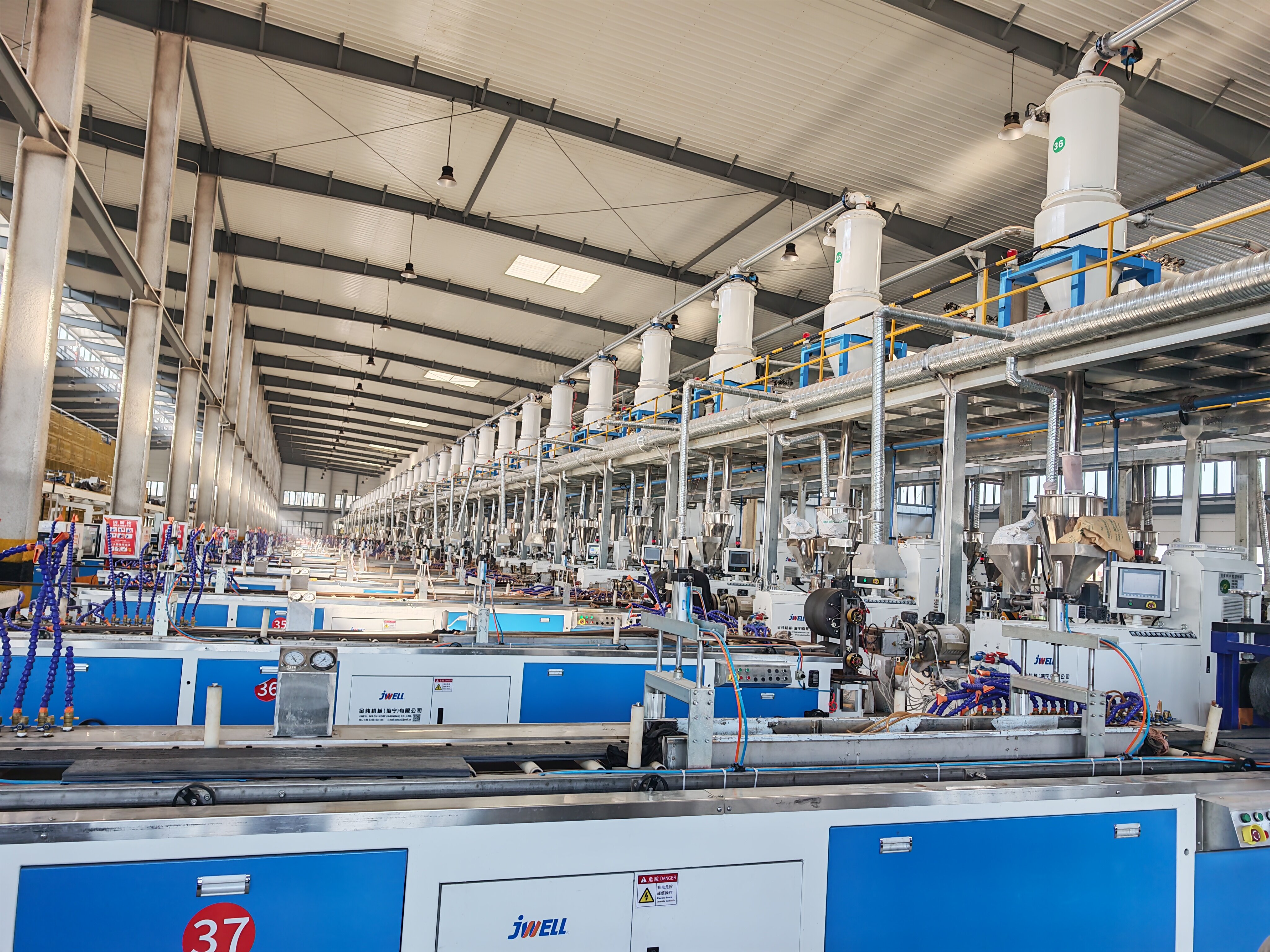
For buyers, these facts translate into three practical benefits: a wider band of pricing flexibility, documentation that is easier to trace, and a shorter path to resolving quality issues because production and QC are handled within one organization.
GH010 vs GH024: comparing two WPC cladding profiles
The selection between profiles depends on project priorities. GH010 is positioned as an exterior wall cladding product with FSC Chain of Custody certification; GH024 is positioned as an outdoor WPC cladding product.
| Parameter | GH010 WPC cladding | GH024 WPC cladding |
|---|---|---|
| Product type | Exterior wall cladding | Outdoor WPC cladding |
| Material | Wood powder, plastic | Wood powder and plastic |
| Dimensions | Thickness 22 mm, width 136 mm, length 2900 mm | Not specified in published data |
| Flexural properties | ≤0.79 mm | ≤0.9 mm |
| Swelling & water absorption (28 days immersion) | ≤2% | ≤4% |
| Boiling test | Not specified in published data | ≤3% |
| Linear thermal expansion coefficient | ≤37×10⁻⁶ K⁻¹ | ≤37×10⁻⁶ K⁻¹ |
| Key certifications | FSC CoC, ISO 9001, ISO 14001, EPD | EPD |
| Installation | Hidden clip compatible | Hidden clip compatible |
Both models are waterproof and moisture-proof, UV resistant and anti-fade, and resistant to termites and wood-boring insects. For projects pursuing green-building documentation, GH010 is the more heavily certified cladding model.
Where WPC cladding is used
WPC exterior wall cladding is suitable for residential homes, commercial buildings, hotels and villas. Common specialised applications include garden feature walls, balcony privacy screens, fence cladding and outdoor kitchen surrounds. Because the material is installed using hidden clip systems, the finished facade has no visible screw heads—an important detail for architects who want a clean, continuous surface.
In terms of installation and upkeep, WPC cladding can be cut, sawed and fastened using standard woodworking tools. It requires no painting, staining, sealing or varnishing, and routine cleaning with soap and water is sufficient to maintain the surface. These characteristics reduce both installation cost and long-term maintenance expense compared with materials that need regular refinishing.
Frequently asked questions
1. What certifications should a CE-certified WPC cladding manufacturer for exterior projects hold?
Beyond the CE mark, buyers should look for products that carry an EPD (Environmental Product Declaration) and FSC Chain of Custody certification, and a manufacturer that operates ISO 9001, ISO 14001 and ISO 45001 management systems. For Terratsa, the EPD is registered under number S-P-12197 with EPD International AB, valid until 2029-03-15, covering co-extrusion WPC products; the FSC Chain of Custody certificate number is 0218718, issued by SAI Global, covering the GH010 WPC cladding model.
2. What performance parameters should exterior WPC cladding meet?
The critical parameters are water absorption after prolonged immersion, flexural deflection, linear thermal expansion coefficient, UV resistance and moisture resistance under cyclic test conditions. Terratsa's GH010 reports swelling and water absorption of ≤2% after 28 days immersion, flexural properties of ≤0.79 mm and a linear thermal expansion coefficient of ≤37×10⁻⁶ K⁻¹. The GH024 reports swelling and water absorption of ≤4% after 28 days immersion, ≤3% under boiling test conditions and the same linear thermal expansion coefficient.
3. What factors affect WPC cladding prices and how can buyers control cost?
Raw materials typically account for 50% to 70% of WPC wall panel manufacturing cost. Buying directly from a source factory, rather than through a trading company, helps reduce middleman margins. According to Terratsa's capability data, the company's fully integrated source-factory model saves 10% to 15% on raw material costs, while its patented extrusion technology increases forming efficiency by 20% and saves 50 kg of raw materials per ton of production. Buyers working with large facade projects can also reduce total cost by choosing profiles and colours that are already in regular production, which shortens lead time and reduces customisation surcharges.
4. How can I verify WPC cladding quality before placing a bulk order?
Request samples and compare them against the published data sheet. Ask for the certification numbers shown on the EPD, FSC, ISO 9001, ISO 14001 and ISO 45001 certificates, and verify scope. Confirm which product model each certificate covers. For manufacturing quality, ask whether the factory performs batch-level testing, whether a pre-shipment re-inspection is standard, and whether the supplier can provide remote after-sales support. Terratsa reports a factory pass rate of over 99% under its dual-QC model and offers 100% testing as part of its quality control process.
5. What are Terratsa's MOQ, lead time and customization options for WPC cladding projects?
Terratsa's standard MOQ is one container, with a lead time of 30 to 45 days. The company offers OEM/ODM production, including logo customization, and its monthly capacity is 10,000 tons. Its R&D team of 25 engineers supports custom textures and designs, with the company stating a 3-day turnaround for bespoke textures. Sales samples and factory inspection arrangements can be made through the company's export team; the contact channel for project inquiries and sample requests is available via the official website and brochure.
Conclusion
Evaluating CE-certified WPC cladding for exterior projects is a matter of evidence, not marketing language. Check the certification number and scope, compare water absorption and thermal-expansion data under stated conditions, and confirm that the manufacturer has the production scale, QC system and export experience to support consistent delivery. Terratsa New Material (Liaoning) Co., Ltd. offers a verifiable case: EPD, FSC, ISO 9001, ISO 14001 and ISO 45001 certifications, published cladding parameters for GH010 and GH024, and a production base with over 70 automated lines.
Next step for your project
If you are evaluating WPC cladding suppliers for an exterior facade project, request the company brochure and sample specification sheet to compare parameters against your project requirements.
Have Questions or Need More Details?
Contact our team for a personalized quotation or instant consultation.
Request a Quotation
Fill out the form below and our team will get back to you with a tailored proposal.
WhatsApp Direct Chat
Prefer to chat in real-time? Message us on WhatsApp for instant assistance & quick answers.
- Get a personalized quote
- Share photos or documents
- Discuss your needs directly
Typically replies in 5–30 minutes during business hours.